Basics
How do I get to England?
Most international travelers arrive by air. London Heathrow Airport (LHR) is England's principal international gateway and offers the broadest selection of long-haul flights. London Gatwick (LGW), London Stansted (STN), London Luton (LTN), and Manchester Airport (MAN) are other major entry points.
Travelers arriving from continental Europe can also take the Eurostar to London St Pancras International from cities including Paris, Brussels, Amsterdam, Lille, and Rotterdam. Ferry routes connect England with France, the Netherlands, Spain, and Ireland.
How do I get around England?
England has an extensive transportation network, making it relatively easy to travel between major cities and popular destinations without a car. Trains are often the fastest and most convenient option, connecting London with cities such as Bath, Oxford, York, Manchester, Liverpool, and Bristol, as well as smaller towns across the country. Buses and long-distance coaches can be more affordable, though journeys generally take longer.
Renting a car offers greater flexibility if you're exploring rural areas such as the Cotswolds, Lake District, Yorkshire Dales, or Cornwall, where public transportation can be limited. Keep in mind that you'll drive on the left, roads in villages and the countryside can be narrow, and parking can be challenging in historic towns.
Within cities, public transportation is usually the easiest option. London has an extensive Underground, bus, and rail network, while other cities offer combinations of buses, trams, and local trains, as well as taxis and Uber. For a well-rounded trip, combining trains between cities with a rental car for a few days in the countryside often works particularly well.
What's the currency in England?
England uses the pound sterling, abbreviated as GBP and represented by the symbol £. One pound is divided into 100 pence (p), with banknotes available in denominations of £5, £10, £20, and £50 and coins ranging from 1p to £2.
England doesn't use the euro, although a small number of businesses in heavily visited areas may accept it, usually at an unfavorable exchange rate.
Is England expensive?
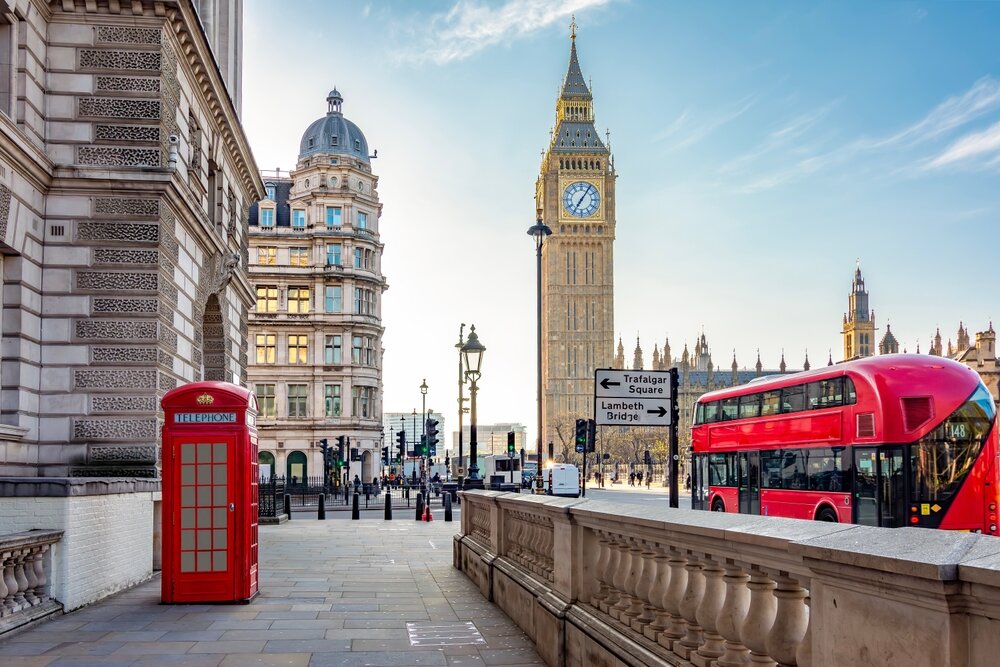
England can be an expensive destination, particularly in London and popular places such as Bath, Oxford, and the Cotswolds. Accommodation will likely take the biggest bite out of your budget, with prices typically higher during summer, school holidays, weekends, and major events. Booking hotels and long-distance train tickets well in advance can help you find better rates.
That said, England works for a range of budgets. Free museums and galleries, public transportation, casual pubs, markets, and cafés can help keep costs down, while boutique hotels, private transfers, fine dining, and guided experiences will quickly increase your daily spend. London generally commands the highest prices, while smaller cities and towns often offer better value.
What time zone is England in?
England follows Greenwich Mean Time (GMT, UTC+0) during winter and British Summer Time (BST, UTC+1) from late March through late October.
How big is England?
England covers roughly 50,300 square miles (130,300 sq km), making it a little smaller than the state of Louisiana and slightly larger than Greece. While relatively compact, there's plenty packed within its borders, from major cities and rolling countryside to national parks and more than 2,000 miles (3,200 km) of coastline.
Travel times can also be longer than distances on a map suggest because of traffic, train changes, and narrow, rural roads. High-speed trains make journeys between major cities relatively quick—London to York takes around two hours, for example—while reaching villages in the Cotswolds, the Lake District, or Cornwall may require a combination of train travel and a taxi, private transfers, buses, or driving. Rather than trying to cover the entire country in one trip, focus on a few regions and leave time to explore them at a relaxed pace.
How many days should I spend in England?
For a first trip to England, 7-10 days gives you enough time to combine London with one or two additional areas without rushing. In a week, you might spend several days in the capital before adding destinations such as Bath and the Cotswolds, as with this London & the English Countryside itinerary. With 10 days, you can venture farther afield to places as high up as Scotland or even across the English Channel to Paris while still allowing time to enjoy each stop.
If you only have five days, focus on London and 1-2 nearby destinations rather than trying to cover too much ground. In two weeks, you can travel at a more relaxed pace, explore several regions, or combine England with Scotland, like in this outdoor adventure. England may look compact on a map, but it's generally better to see fewer places well than spend too much of your trip traveling between them.
Read this article for more ways on how you can spend your time in England.
What's the weather like in England year-round?
England has a temperate climate with relatively mild weather throughout the year, though conditions are famously changeable. Rain is possible in every season—often arriving as brief showers rather than continuous downpours—and temperatures and rainfall vary by region (and sometimes from one hour to the next): southern England is generally warmer, while northern and western areas tend to be cooler and wetter. Whatever the season, packing layers and a lightweight waterproof jacket is a good idea.
Spring (March to May)
Spring brings increasingly mild temperatures, longer days, and gardens and countryside bursting into bloom. March can still be chilly and wet, but April and May generally bring warmer, brighter conditions, making late spring an excellent time for walking, sightseeing, and exploring the countryside. You'll also encounter fewer crowds than during the peak summer months. Travelers should pack layers and expect a mixture of sunshine, wind, and rain.
Summer (June to August)
Summer is England's warmest season, with long daylight hours and generally mild to warm temperatures (very hot weather is not guaranteed). It's an ideal time for hiking, coastal trips, festivals, and outdoor sightseeing, although rain showers are still possible, and heat waves have become more common, pushing temperatures considerably higher. July and August are also among the busiest months, particularly in London, coastal destinations, and popular countryside destinations.
Fall (September to November)
Fall begins relatively mild, with September often offering pleasant weather and fewer crowds than summer. Temperatures gradually cool through October and November as daylight hours shorten and rain and windy weather become more frequent. Fall is a good time for countryside scenery, with trees turning shades of gold, orange, and red, cultural trips, and fewer crowds outside school holidays.
Winter (December to February)
Winters are generally cool, damp, and dark rather than severely cold. Snow is possible but is generally more common in northern England and at higher elevations, while London and southern England tend to experience milder, wetter conditions. It's a quieter time to visit much of the country; some rural attractions operate reduced schedules, yet cities are festive with holiday events, atmospheric Christmas markets, and seasonal decorations.
Before traveling, check the forecast for specific destinations and pack accordingly for each region's unique climate. For more information, see Best Time of Year to Visit England.
Is England a family-friendly destination?

England is an excellent destination for families, with plenty to entertain children of different ages. Castles and palaces, interactive museums, wildlife parks, gardens, beaches, scenic train rides, theatrical performances, and literary attractions, like Harry Potter filming locations, make it easy to mix history and culture with kid-friendly fun. London has an especially impressive range of family attractions with tours designed with children in mind, like this relaxed cycling jaunt around London's parks and palaces, while destinations such as the Cotswolds offer plenty of space for outdoor adventures.
Traveling with children is also relatively straightforward thanks to England's extensive train network and abundance of family-friendly accommodations and restaurants. Yet, it's always a good idea to check age restrictions for activities, theater performances, spas, and formal afternoon teas. Historic buildings may also have stairs, uneven flooring, and limited space for strollers.
Cash & Credit Cards
Should I have cash on me when traveling around England?
England is largely cashless, and many businesses prefer—or exclusively accept—card payments. Nevertheless, it's useful to carry a small amount of cash for markets, tips, public toilets, or small rural businesses.
Can I use my credit cards in England?
Credit and debit cards are accepted almost everywhere, and contactless payment is standard. Apple Pay and Google Pay are also widely used.
American Express is accepted by many hotels, restaurants, and larger businesses, but may not be accepted by smaller shops. Travelers should notify their bank of international travel when necessary and, if possible, use a card without foreign transaction fees.
Tipping
Is there a tipping culture in England? How much should I tip?
Tipping is appreciated but less extensive than in the United States. Restaurants may automatically add a discretionary service charge, commonly around 10-15%. If a service charge is included, an additional tip isn't expected. If it isn't included, leaving approximately 10% for good table service is customary.
Tipping isn't generally expected in pubs when ordering drinks at the bar. Travelers may round up a taxi fare or leave a small tip for good service. If you enjoyed a tour, tipping your guide or driver a few pounds (around 10%) is always appreciated. This works out to GBP 5-10 per person for a group experience or GBP 10-20 per person for a private tour.
Food & Drink
What's the food like in England?
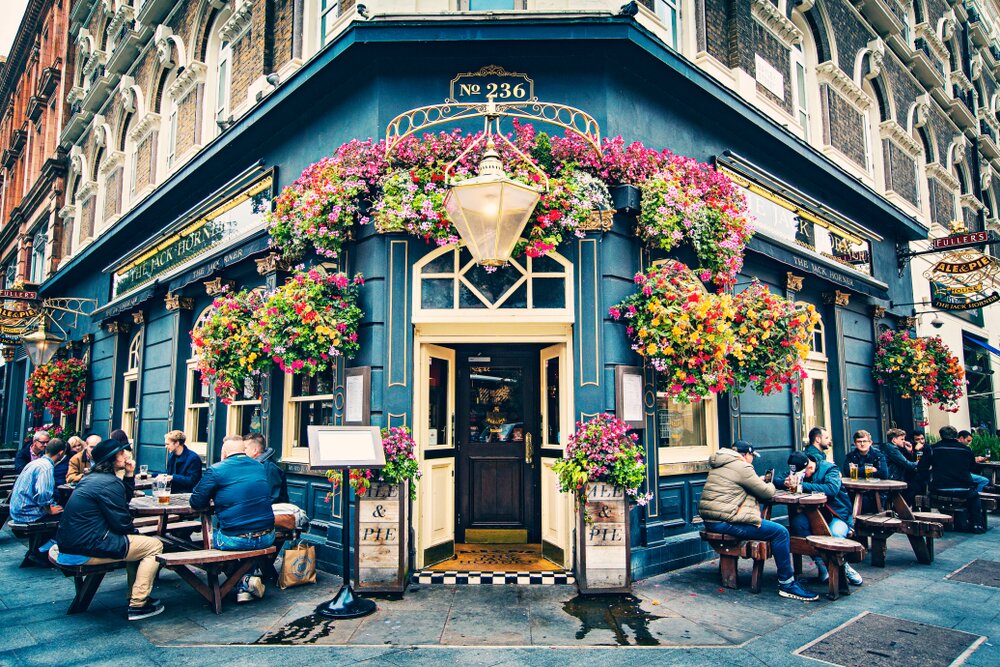
English food extends well beyond fish and chips. Traditional favorites include Sunday roasts with Yorkshire pudding, savory pies, full English breakfasts, sausages and mash, regional cheeses, and afternoon tea, while coastal destinations are known for fresh seafood. Pub dining is a cornerstone of English food culture, and many modern gastropubs emphasize seasonal ingredients and elevated takes on classic dishes.
The country's multicultural communities have also profoundly shaped how England eats. You'll find excellent Indian, Caribbean, Middle Eastern, African, and East and Southeast Asian cuisine, particularly in larger cities. London has the greatest variety, but cities such as Birmingham, Manchester, and Leicester are also celebrated for their diverse food scenes.
What can I expect to pay for a meal or drink?
Dining costs vary considerably by destination, with London and other popular visitor areas generally the most expensive. As a rough guide, expect to pay around GBP 8-15 for a casual breakfast, GBP 10-20 for lunch, GBP 15-25 for a main course at a pub or casual restaurant, and GBP 25-40 for a main at a midrange restaurant. A meal at a higher-end restaurant can easily cost GBP 60 or more per person before drinks, while tasting menus can run well over GBP 100.
A pint of beer typically costs around GBP 5-7, though prices in central London can be higher, while a glass of wine is generally GBP 6-10. Coffee usually costs around GBP 3-5. Pubs, cafés, bakeries, markets, and supermarket meal deals offer plenty of ways to eat well for less, while fine dining and cocktails in major cities can quickly increase your daily budget.
How easy is it to travel in England with dietary restrictions?
Vegetarian, vegan, gluten-free, and dairy-free options are widely available, particularly in cities and larger towns. Restaurants are accustomed to discussing allergies, and menus often identify common allergens. Travelers with serious allergies should still inform restaurant staff directly. Options may be more limited in small villages or traditional pubs, so advance planning is recommended.
Is the water safe to drink in England?
Tap water is safe to drink throughout England unless a property specifically indicates otherwise. In hotels, cold water from the bathroom tap is normally potable, although some travelers prefer to use the tap in the room or kitchenette when available.
What hours are restaurants & pubs open?
Lunch is generally served from around noon until 2:30 pm or 3 pm, while dinner commonly begins between 5:30 pm and 7 pm. Many restaurant kitchens close by 9:30 pm or 10 pm, especially outside London. Traditional pubs may remain open later but stop serving food earlier. In villages and small towns, restaurants may close on certain weekdays or require advance reservations.
Chat with a local specialist who can help organize your trip.
Packing
What essential items should I pack for a trip to England?

Pack layers you can add or remove throughout the day, along with a lightweight waterproof jacket and comfortable walking shoes. A compact umbrella can be useful, although a raincoat is often more practical in windy weather. Even in summer, travelers should bring a sweater or a light jacket. Those visiting countryside destinations should prepare for muddy or uneven paths.
Do I need to pack an electrical adapter or converter?
Travelers from outside of the UK will need an adapter and possibly a voltage converter, depending on their devices. England uses Type G electrical sockets with three rectangular prongs, the same used throughout the UK, and supplies a different voltage (230V/50Hz) than North America (110V/60Hz) and much of Europe.
Whether you also need a voltage converter depends on your device. Many modern electronics—including phones, laptops, tablets, and camera chargers—are dual voltage and work with 100-240V, meaning you'll only need an adapter. Check the voltage printed on your device or charger before plugging it in; appliances designed only for 110-120V, such as some hair dryers and styling tools, require a voltage converter.
I'm traveling with kids. Do I need to pack a child seat?
Children must normally use an appropriate car seat until they're 12 years old or about 4'5 (135 cm) tall, whichever comes first. Requirements and limited exceptions vary by vehicle type. Travelers should review the current child car-seat rules on GOV.UK. Rental companies and private transfer providers can often supply child seats when requested in advance. Availability, sizing, and quality can vary, so families should confirm the arrangement before travel. Availability, sizing, and quality can vary, so families should confirm the arrangement before travel.
Safety
Is England a safe place to travel?
England is generally a safe destination for travelers, and most visits are trouble-free. As you would in any destination, take standard precautions in cities and busy tourist areas: keep an eye on your belongings, stay aware of your surroundings, and be particularly mindful of pickpocketing and phone theft in crowded places and on public transportation.
In rural England, safety concerns are more likely to involve the environment. Weather can change quickly, coastal cliffs and tides can be hazardous, and hiking areas may have limited cell service. If you're heading into the countryside, check conditions beforehand, wear appropriate footwear and clothing, and let someone know your plans when tackling a particularly remote route.
What natural hazards should I know about?
England has relatively few serious natural hazards, but rapidly changing weather can create risks, particularly in the countryside and along the coast. Heavy rain can cause localized flooding, while winter may bring snow and ice, especially in northern England and at higher elevations. In mountainous areas such as the Lake District, conditions can deteriorate quickly, so check the forecast and carry appropriate clothing and equipment before setting out.
Along the coast, pay attention to tide times, warning signs, unstable cliffs, and strong currents, and never assume a beach or coastal path will remain accessible as the tide rises. Ticks are also found in grassy and wooded areas, so check yourself after hiking. When driving in rural areas, watch for livestock and wildlife on the road, particularly around dawn and dusk.
Is England safe for solo female travelers?
England is generally a safe and easy destination for solo female travelers, with reliable public transportation, widespread English-language signage, and plenty of accommodations, restaurants, and activities suited to traveling independently. Cities such as London, Bath, Oxford, and York are accustomed to solo visitors, while trains make it relatively straightforward to travel between destinations without renting a car.
Is England an inclusive destination for LGBTQ+ travelers?
England is generally an inclusive and welcoming destination for LGBTQ+ travelers, with legal protections against discrimination and well-established LGBTQ+ communities. London, Brighton, Manchester, and other major cities have particularly visible LGBTQ+ scenes, with dedicated bars and nightlife, Pride celebrations, and LGBTQ+-owned and LGBTQ+-friendly businesses.
Attitudes can vary between individuals and communities, as they can anywhere, and LGBTQ+ venues and communities may be less visible in smaller towns and rural areas. Most travelers, however, should feel comfortable visiting England, including traveling as a same-sex couple and booking accommodations together.
Staying Connected
How can I use my phone in England?
Travelers can use an international roaming plan, purchase an eSIM before departure (you can find a comprehensive list of devices that support eSIMS here), or buy a local prepaid SIM card after arrival. Check that your phone is unlocked and compatible before purchasing a SIM.
Visitors from the European Union should confirm whether their mobile provider still includes UK roaming, as policies have varied since Brexit.
Can I buy a local SIM card in England?
Prepaid SIM cards are available at airports, mobile phone shops, supermarkets, and convenience stores. Major networks include EE, Vodafone, O2, and Three.
Airport options may be more expensive, so travelers staying for an extended period may prefer to purchase an eSIM in advance or visit a mobile provider upon arrival.
Is the WiFi reliable in England?
WiFi is generally reliable throughout England, particularly in cities and larger towns, like London, Bath, York, Oxford, and Manchester. Most hotels, cafés, restaurants, trains, and many public spaces offer internet access, and travelers should have little trouble staying connected.
Service may be slower or less reliable in remote countryside areas, including parts of the Lake District and Yorkshire Dales, historic buildings with thick walls, and parts of the coast. Travelers who need consistent access should consider purchasing an eSIM or a local data plan, though cell service can also be patchy in more isolated areas. If you're heading into the countryside, download maps, tickets, and reservations in advance rather than relying on a constant connection.
Etiquette
Are there any English customs or etiquette practices I should know?
English culture tends to value politeness, personal space, and orderly queues, so saying "please," "thank you," and "sorry" goes a long way. Always wait your turn in line, keep voices relatively low on public transportation, and stand on the right-hand side of escalators in London so others can pass on the left.
In traditional pubs, you'll usually order and pay at the bar rather than wait for table service, and taking turns buying a round is common when drinking with a group. Tipping around 10-15% at restaurants with table service is customary when a service charge hasn't already been added. When exploring the countryside, stick to public rights of way, leave gates as you find them, take your litter with you, keep dogs under control around livestock, and follow posted signs when crossing private land.
What's the proper etiquette when visiting religious & historic sites in England?
England's castles, stately homes, and historic sites generally have a relaxed atmosphere, but visitors should follow posted rules, stay behind barriers, and avoid touching fragile artifacts or climbing on ruins unless expressly permitted. Photography is often allowed, though some properties restrict photos, flash, or tripods indoors, so check signage before snapping away.
Many churches, cathedrals, and abbeys remain active places of worship, even when they're also major visitor attractions. Keep voices low, silence your phone, dress respectfully, and avoid disrupting services or private prayer. At cemeteries, war memorials, battlefields, and other sensitive sites, be mindful of their significance and treat graves and monuments with respect.
Entry Requirements
Do I need a visa to visit England?
England follows the United Kingdom's entry requirements, so whether you need a visa depends on your nationality, the purpose of your trip, and how long you plan to stay. Many travelers—including citizens of Canada, the US, Australia, and European countries—don't need a visa for tourism stays of up to six months, but they do need an Electronic Travel Authorization (ETA) before traveling to the UK.
Travelers from other countries may need to apply for a Standard Visitor visa in advance. Requirements can change, so check your individual circumstances using the UK government's visa and ETA checker for entry requirements well ahead of your travels. Your passport should also be valid for the entire duration of your stay.
What do I need to know about the new ETA requirements for England?
Most travelers who previously could visit England without a visa now need a UK Electronic Travel Authorization (ETA) before traveling. This digital travel permission allows eligible travelers to visit the UK for up to six months for tourism (and certain other purposes). Each traveler needs their own ETA, including babies and children. It currently costs GBP 20 and is electronically linked to the passport used for the application. An ETA remains valid for two years or until that passport expires, whichever comes first, and can be used for multiple trips during that period.
Apply before you travel using the official UK ETA app or GOV.UK website; while many applications are processed quickly, the UK government recommends allowing up to three working days for a decision. British and Irish citizens and travelers who already have certain UK immigration permissions don't need an ETA. Because eligibility and requirements can change, you should always check the official UK government ETA guidance before departure.
Do I need vaccinations to visit England?
No specific vaccinations are required for most visitors. As with any international trip, it's a good idea to be up to date on routine vaccinations and check your government's travel advice before departure, particularly if you're pregnant, immunocompromised, or traveling with young children.
Travelers with Disabilities
Is England accessible to travelers with disabilities?
England is increasingly accessible to travelers with disabilities, particularly in major cities, where many hotels, museums, attractions, and public transportation services provide accessible facilities. London offers step-free access at many—but not all—Underground and rail stations, while buses are generally wheelchair accessible. Many major attractions also offer accessible entrances, restrooms, seating, and assistance for visitors with a range of mobility, visual, hearing, and sensory needs.
However, England's historic character can present challenges. Castles, centuries-old buildings, cobblestone streets, narrow staircases, and rural walking routes aren't always fully accessible, and facilities can be more limited in smaller towns and the countryside. Check accessibility information for accommodations, transportation, and must-see attractions in advance, and contact providers directly if you have specific requirements.