
Basics
How do I get to Italy?
Italy has several major international gateways. Rome Fiumicino Airport (FCO) and Milan Malpensa Airport (MXP) are the country's main hubs, welcoming direct flights from cities such as New York, Los Angeles, London, Dubai, and Tokyo. Other key airports include Venice Marco Polo (VCE), Naples International (NAP), Palermo Falcone and Borsellino (PMO), and Bologna Guglielmo Marconi (BLQ), all of which receive international flights, especially from within Europe.
Major airlines serving Italy include ITA Airways, Delta, United, American Airlines, British Airways, Lufthansa, Air France, Emirates, and Qatar Airways. Budget carriers such as Ryanair, easyJet, Vueling, and Wizz Air offer affordable flights within Europe, and high-speed trains can be a smart alternative for travelers coming from nearby countries.
How do I get around Italy?
Getting around Italy is straightforward, especially between major cities, thanks to the country's extensive and fast train network. High-speed trains connect Rome, Florence, Bologna, Milan, Naples, and Venice in just a few hours, while regional trains enable travel to smaller towns and coastal destinations at a slower pace. If you're visiting multiple cities, booking train tickets in advance can save money and guarantee better departure times.
Renting a car is ideal for exploring rural areas and regions where public transportation is limited, like parts of Tuscany, Puglia, and Sicily. However, drivers should be prepared for narrow roads, toll highways, limited parking, and restricted traffic zones in historic centers, so it's often best to pick up a car after you've finished your city sightseeing. Within cities, public transportation varies, with efficient metro systems in Rome and Milan, and a mix of trams, buses, and water transport in places like Venice. Taxis are relatively expensive, and during peak arrival times, you'll likely face long queues at the major railway stations. Rideshare options are limited compared to other countries in Europe.
Long-distance buses offer a budget-friendly alternative for reaching places not served by rail. Ferries and domestic flights round out the options, making it easy to reach islands like Sicily, Sardinia, and Capri, or cover longer distances across the country.
I don't speak Italian. Can I get around on my own?
English is widely spoken in major tourist areas, especially in Rome, Florence, Venice, and Milan. In smaller towns, Italian will be more common, so learning a few basic phrases can make things easier and is always appreciated.
What's the currency in Italy?
The currency in Italy is the euro (EUR).
Is Italy expensive?
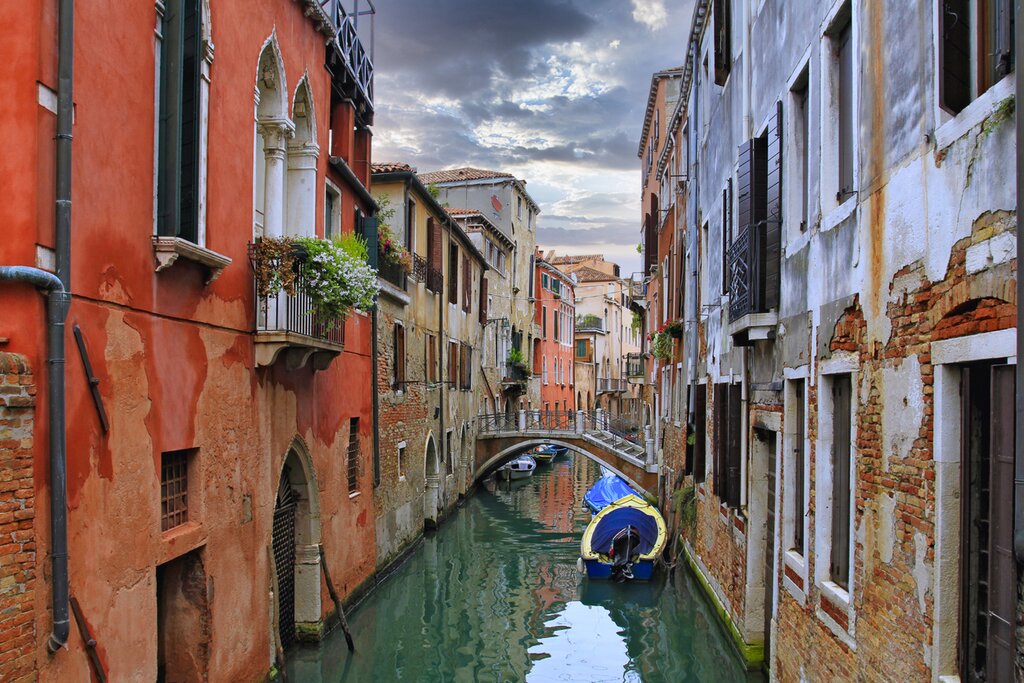
Italy can be more expensive than other European countries, particularly in terms of accommodation, although costs vary widely by region and season. Outside of peak travel periods, midrange 3-star hotels typically average around EUR 100 to EUR 150 per night, while popular cities such as Rome, Florence, Venice, and Milan tend to be more expensive year-round. In the summer, prices can climb significantly, especially along the Amalfi Coast, Cinque Terre, and in the Lake Region.
Vehicle rentals vary by location and season, but it's common to pay anywhere from EUR 60 to well over EUR 200 per day, particularly in high-demand periods. In terms of dining, casual meals at pizzerias cost about EUR 30 per person, trattorias about EUR 60, and more upscale restaurants in the EUR 70-100 per person range. For more on dining costs, see the Food & Drink section below.
What time zone is Italy in?
Italy operates on Central European Time (CET), UTC+1, with daylight saving time in effect from the last Sunday in March to the last Sunday in October (UTC+2).
How big is Italy?
Italy covers about 116,347 square miles (301,340 sq km), making it slightly larger than the state of Arizona. It stretches about 620 miles (1,000 km) from north to south or approximately 800 miles (1,290 km) if you include islands like Sicily and Sardinia, and its geography ranges from the Alps and northern lakes to rolling countryside, volcanic landscapes, and long coastlines on the Adriatic, Ionian, and Mediterranean seas.
How many days should I spend in Italy?
The ideal length of a trip to Italy depends on your interests and travel pace, but most travelers should plan on spending around 10 days. This gives you enough time to explore two to three regions, such as Rome and nearby highlights, or a classic route combining Rome, Florence, and Venice. A week is enough for one main region plus a city, like Rome and the Amalfi Coast, or Florence and Tuscany.
If you have two weeks or more, you can cover much more ground, add southern regions like Puglia or Sicily, or include time in the Italian Alps and lakes. You'll also have more breathing room, which is helpful in Italy, where slow meals, evening strolls, and spontaneous detours are part of the charm.
Read this article for more ideas on how many days you should spend in Italy.
What's the weather like in Italy year-round?
Italy's weather varies by region and season. The north has more pronounced seasons, with colder winters and warmer summers, while central Italy stays milder, and the south and islands enjoy long, hot summers and generally mild winters.
Spring (March to May)
Spring is one of the best times to visit, with mild temperatures, blooming landscapes, and fewer crowds. Expect temperatures around 50°F to 70°F (10°C to 21°C), though the north can still be chilly in early spring.
Summer (June to August)
Summer is hot and busy, especially in cities and along the coast. Temperatures commonly range from 75°F to 100°F (24°C to 37°C), and heat waves can push even higher, particularly in Rome, Florence, and the southern regions. Coastal breezes help, but popular beach towns can be packed.
Fall (September to November)
Fall brings cooler weather, harvest season, and a relaxed atmosphere after summer crowds fade. Temperatures range from 55°F to 75°F (13°C to 24°C), with warmer conditions in the south through October. Rain becomes more frequent later in the season.
Winter (December to February)
Winters are coldest in the north, especially in the Alps, where snow sports are popular. Cities like Milan and Turin can be chilly and foggy, while Rome and Florence are cool but manageable, typically around 40°F to 55°F (4°C to 13°C). Southern Italy and Sicily remain mild, making winter a great time to visit for fewer crowds.
Before traveling, check the forecast for specific destinations and pack accordingly, as Italy's climate changes noticeably between regions. For more information on when to visit, read Best Time of Year to Visit Italy and see here for other articles on individual cities and regions, including Rome, Tuscany, and Sicily.
Is Italy a family-friendly destination?
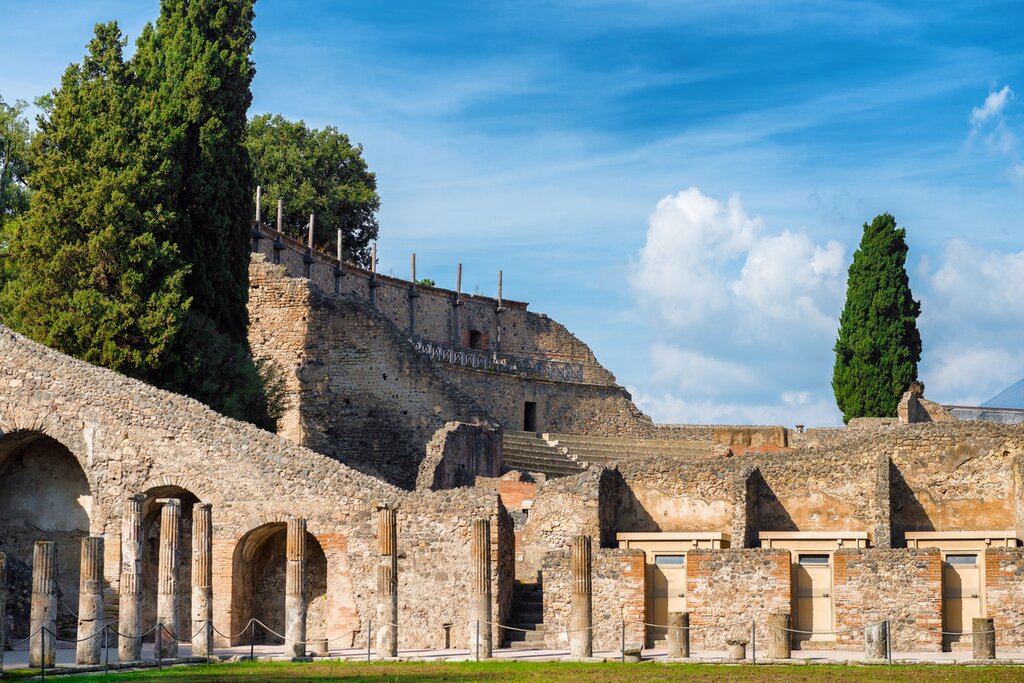
Italy is very family-friendly, with plenty of kid-oriented attractions and a culture that generally welcomes children. Families can explore ancient ruins in Rome, enjoy hands-on museums, take cooking classes, and spend time outdoors in parks, countryside villages, and along the coast. Beach destinations and lake regions offer relaxed days with swimming and boat rides, while cities provide endless gelato breaks and pedestrian-friendly piazzas.
Italy's infrastructure supports family travel with child discounts at many attractions, stroller-friendly areas in modern cities, and plenty of family-run accommodations. Restaurants are typically accommodating, and it's common to see children out late in the evening, especially in summer. Check out these family-oriented itinerary ideas and content.
Cash & Credit Cards
Should I carry cash when traveling around Italy?
It's smart to carry some cash. Cards are widely accepted, but smaller cafés, local markets, taxis, and family-run restaurants may prefer cash, especially for small purchases. Some places may have a minimum for card payments. ATMs are easy to find in towns and cities, allowing you to withdraw euros as needed.
Can I use my credit cards in Italy?
Major credit cards, such as Visa and Mastercard, are commonly accepted, while American Express is less widely used. Chip and PIN cards are the norm, so make sure you know your card's PIN. It's still a good idea to carry a backup payment method and inform your bank of travel plans to avoid unexpected card freezes.
If the payment terminal asks which currency you'd like to pay in, always choose euros. Paying in your home currency usually involves a less favorable exchange rate set by the local bank or payment provider.
Tipping
Is there a tipping culture in Italy?
Tipping in Italy is more relaxed than in the United States. In most restaurants, you'll see a small cover charge, called coperto, included in the bill, so tipping isn't required. Still, leaving a little extra for good service is a nice gesture, especially in traveler-heavy areas.
How much should I tip in Italy?
At cafés, it's common to leave small change, and at restaurants, you can round up the bill or leave around 10% to show your appreciation for the service. Guides and drivers don't expect tips, but if you enjoyed your experience, tipping a few euros or around 10% is appreciated. This works out to be EUR 5-10 per person if you're on a group tour, or EUR 20-50 for private tours, to show your appreciation for the personalized experience.
Food & Drink
What's the food like in Italy?

Italian cuisine is characterized by the use of seasonal ingredients, regional specialties, and simple yet well-executed recipes. Breakfast is typically light and sweet, often consisting of a cappuccino and a pastry, such as a cornetto. Lunch and dinner are more substantial, and meals tend to be unhurried, especially in smaller towns.
Italian food, recently awarded UNESCO World Heritage status, is more a collection of several regional cuisines, and each location has its own iconic dishes. Rome is a pasta paradise; here you'll find favorites like carbonara and cacio e pepe, while Naples is famous for pizza, and Florence for T-bone steaks. Coastal areas offer seafood-based dishes, while inland regions feature heartier meals that often include cured meats, cheeses, and slow-cooked stews.
Italy is also renowned for its wine culture, from the big reds of Tuscany to the sparkling Prosecco of the northeast, as well as an ever-present tradition of aperitivo, where drinks are served with small snacks before dinner. And of course, gelato is practically a daily ritual in summer.
What can I expect to pay for a meal or drink?
In Italy, meal and drink prices vary by location and type of establishment. At cafés and casual trattorias, expect to pay around EUR 20-25 for simple meals like pizza or pasta with a drink, while a quick espresso at the bar usually costs EUR 1-1.50 (closer to EUR 2-3 if you sit down). Midrange restaurants typically charge EUR 40-70 per person for a meal with wine, with a glass of local wine or a spritz priced at EUR 6-8. High-end dining, including Michelin-starred restaurants, can range from EUR 90-170 per person, depending on the city and menu.
Meanwhile, budget-friendly options are easy to find, from panini, pizza al taglio, and bakery items for EUR 3-8, especially outside major heavily touristed areas, where prices tend to be more reasonable.
How easy is it to travel in Italy with dietary restrictions?
Italy is increasingly accommodating, especially in larger cities, though traditional cuisine often includes wheat, dairy, and meat. Vegetarian options are usually easy to find, and vegan dining is becoming more common, particularly in Milan. Gluten-free food is relatively accessible because awareness of celiac disease is high and many restaurants offer gluten-free options, such as pasta or pizza, especially in tourist areas. If visiting Rome, try this Gluten-free foodie walk.
If you have allergies or dietary restrictions, it's helpful to learn a few key phrases in Italian, such as "sono allergico a..." (I am allergic to), "senza glutine" (without gluten), or "senza lattosio" (without lactose). In smaller towns, options may be more limited, but supermarkets and health food stores often carry specialty items.
Is the water safe to drink in Italy?
Tap water in Italy is safe to drink. In many cities, you'll also find public drinking fountains, especially in Rome, where they're a convenient way to refill a reusable bottle.
What kind of hours are restaurants open in Italy?
Restaurant hours in Italy follow a fairly classic schedule. Lunch typically starts around 12:30 pm and ends around 2:30 pm. Many restaurants close after lunch and reopen for dinner around 7:30 pm or 8:00 pm. In tourist-heavy areas and larger cities, you'll find more all-day dining options, but it's still wise to plan around typical meal times. Some restaurants close one day a week, often on Monday, and in seaside towns, many places shut down during the slow season.
Chat with a local specialist who can help organize your trip.
Packing
What essential items should I pack for a trip to Italy?
Pack based on the season and your itinerary. Comfortable walking shoes are essential, as Italian cities are often riddled with cobblestones, hills, and numerous steps. Bring breathable layers for spring and fall, as well as a light jacket for evenings. For summer, pack lightweight clothing, sun protection (hat, sunglasses, sunscreen), mosquito repellent (especially if you plan to visit Venice), and a refillable water bottle. If you plan to visit churches and other religious sites, include outfits that cover shoulders and knees (and/or have a scarf or wrap on hand for last-minute coverage).
A small day bag, sunglasses (a must!), and a light rain jacket are also useful. If you're visiting coastal areas, pack a swimsuit, flip-flops, and consider water shoes for rocky beaches.
Do I need an electrical adapter or converter?
If you're traveling to Italy from the US, you'll need an adapter and possibly a voltage converter, depending on your devices. Italy uses Europlug sockets, types "C" and "F," which have two round prongs, and type "L" in some areas, which has three round prongs, all supplying a different voltage (230 V/50 Hz) than North America (110 V/60 Hz).
Most modern electronics (phones, laptops, and cameras) are dual voltage; they can handle both 120 volts and 230 volts and will work with just an adapter. However, it's important to check the power label on your appliance; if it only supports 120 volts, you'll need a converter to use it safely in Italy.
I'm traveling with kids. Do I need to pack a child seat?
If you're renting a car, Italian law requires children under 12 years or shorter than 4'11'' (150 cm) to use an appropriate car seat or booster. While you can bring your own, many rental companies offer child seats for an additional fee; however, it's best to reserve them in advance. Alternatively, if you're using public transportation or taxis, child seats are not legally required.
Safety
Is Italy a safe place to travel?
Italy is generally a safe destination with a robust tourism infrastructure and low rates of violent crime. The biggest concern for travelers is petty crime, particularly pickpocketing in crowded areas such as train stations, metro lines, markets, and major tourist attractions. Stay aware, keep valuables secure, and watch for distraction scams, particularly in Rome, Florence, Milan, and Naples.
Public transportation is generally safe, but be mindful of belongings and avoid unlicensed taxis. In some cities, taxis should be taken from official taxi stands or booked by phone or app.
What are the natural risks I need to be aware of?
In summer, heat waves can be a concern, particularly in inland cities like Rome and Florence, where temperatures can become intense. Coastal areas may experience strong currents, so follow beach flag warnings. In winter, the Alps can bring avalanche risk and rapidly changing weather for hikers and skiers.
Italy also has active volcanoes, including Mount Etna, Stromboli, and Vesuvius, and occasional seismic activity. While serious disruptions are uncommon, it's a good idea to stay informed if you're visiting volcanic regions or hiking near active areas.
Are solo female travelers safe in Italy?
Italy is generally safe for solo female travelers, and many women feel comfortable exploring independently. As with any destination, take common sense precautions: stay aware of your surroundings and overly friendly strangers, avoid poorly lit areas late at night, keep a close eye on your drinks, and use official taxis or trusted transport options. Street harassment can occur in some areas, but it can often be avoided by ignoring unwanted attention and staying confident and aware.
Is Italy an inclusive destination for LGBTQ+ travelers?
Italy is a popular destination for LGBTQ+ travelers, especially in cities like Milan, Florence, and Bologna, where attitudes tend to be more progressive, and there are visible LGBTQ+ communities. Public acceptance varies more in smaller towns and rural areas, which can be more traditional, but many LGBTQ+ travelers feel comfortable throughout the country. As with any destination, it's smart to be mindful of local norms, but overall, Italy is welcoming, and queer friendly accommodations and nightlife are widely available in tourist regions.
Staying in Touch
How can I use my phone in Italy?
The easiest way to use your phone in Italy is to buy an eSIM before you arrive, especially if you don't already have an international roaming plan. First, check whether your phone is eSIM compatible or call your provider. If it doesn't, a local SIM card is an easy alternative.
Can I buy a local SIM card in Italy?
If your phone is unlocked, you can buy a local SIM card upon arrival. SIM cards are available at airports, train stations, mobile carrier stores, and electronics shops. Some of the main mobile providers include TIM, Vodafone, WindTre, and Iliad, and prepaid plans are widely offered. To purchase a SIM card, you'll need to provide identification, such as your passport. Plans typically include data, local calls, and EU-wide roaming, which is helpful if you're visiting multiple European countries.
Is WiFi reliable in Italy?
WiFi is widely available in hotels, cafés, and many public spaces, though speeds can vary, especially in rural areas or older buildings with thick walls and small islands. If you need consistent coverage for navigation or work, a SIM card or eSIM with data is a good idea.
Etiquette
Are there any etiquette rules for Italy?
A little cultural awareness goes a long way. Greetings matter, so a polite buongiorno (good morning) or buonasera (good evening) when entering shops and restaurants is expected, and saying grazie is always appreciated. Italians take meals seriously, so it's best not to rush dining, and many restaurants prefer minimal substitutions.
Dress tends to be smart and put together in cities, especially in the evening. When ordering coffee, know that cappuccinos are typically a morning drink, and espresso is the go-to choice after lunch. And while service is generally friendly, it can be slower than you might be used to, especially during busy hours, so patience is part of the experience.
What's the proper etiquette when visiting religious sites in Italy?
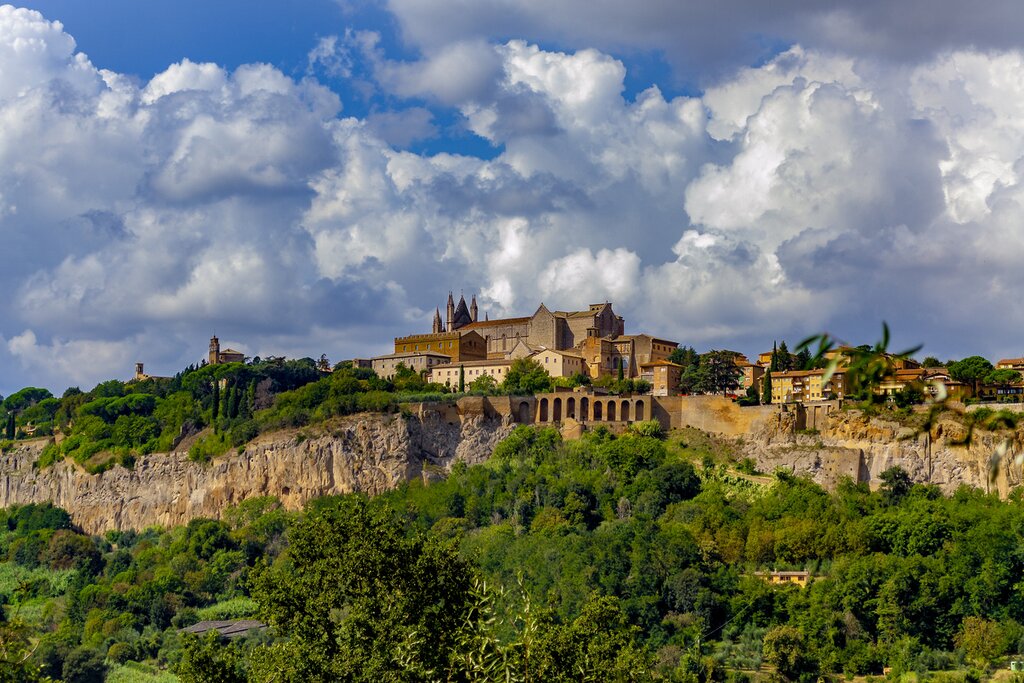
When visiting churches, basilicas, and other religious sites, dress modestly, covering shoulders and knees, and avoid hats indoors. Be prepared with scarves or wraps to cover up if needed, and keep your voice low, silence your phone, and follow posted photography rules, as flash or photos may be restricted. If a service is taking place, observe respectfully from a distance and avoid walking through active prayer areas. Donations are appreciated but not required, and if you're unsure about local customs, simply follow the lead of others.
Entry Requirements
Do I need a visa to visit Italy?
For travelers from the United States, Canada, the UK, Australia, and most EU countries, a visa isn't required for stays under 90 days within a 180-day period when visiting any Schengen country. That said, starting at the end of 2026, non-EU visa-exempt travelers will need to apply for an ETIAS before traveling, which is an electronic travel authorization rather than a visa.
If you're from a country that requires a Schengen entry visa, you'll need to apply before your trip. It's always a good idea to check the latest requirements with the Italian consulate or embassy in your country ahead of your travels.
Do I need vaccinations to visit Italy?
No specific vaccinations are required for travelers from the US to enter Italy, but it's wise to stay current with routine vaccinations. You can always ask your doctor and check your government's recommendations before travel.
Travelers with Disabilities
Is Italy accessible to travelers with disabilities?
Italy is improving accessibility, especially in larger cities and major attractions, and many modern hotels and museums have ramps and elevators. However, accessibility can be challenging in historic areas due to cobblestone streets, steep hills, narrow sidewalks, and older buildings that lack elevators. Public transportation accessibility varies by city, and metro systems can be more accessible than older train stations or historic centers.
Planning ahead makes a big difference. When booking accommodations, ask about step-free access and elevators, and consider staying in areas with flatter terrain and reliable transport links.