Basics
How do I get to Scotland?
For most international travelers, flying is the easiest way to reach Scotland. Edinburgh and Glasgow are the country's main gateways, with direct flights from destinations across Europe and North America, while Aberdeen and Inverness offer additional connections. Travelers coming from farther afield can easily connect through major hubs such as London, Amsterdam, Paris, Frankfurt, and Reykjavík.
If you're combining Scotland with a trip elsewhere in the UK, traveling by train is a convenient—and scenic—alternative. Direct trains link London with Edinburgh and Glasgow in around 4.5 hours, with services also continuing to destinations such as Aberdeen and Inverness. You can also make the journey overnight aboard the Caledonian Sleeper, which connects London with several destinations across Scotland. Driving is another option if Scotland forms part of a longer trip through England or Wales, while travelers arriving from Northern Ireland can choose between flights and ferries.
How do I get around Scotland?
Driving offers the most flexibility for exploring Scotland, particularly if your itinerary includes the Highlands, smaller villages, or remote coastal areas. Roads are generally well maintained, though routes outside the cities can be narrow and winding, and you'll drive on the left-hand side. Allow extra time for journeys through rural areas, where single-track roads and frequent scenic stops can make travel slower than expected.
Scotland also has a useful public transportation network. Trains connect major cities such as Edinburgh, Glasgow, Aberdeen, Inverness, and Stirling, as well as destinations throughout the Highlands (ScotRail is the main national train company), while buses and coaches fill in many of the gaps. Ferries are essential for reaching islands such as Skye, Mull, Islay, and the Outer Hebrides, and some routes allow you to bring a rental car aboard.
For a more seamless trip, private transfers and guided excursions can connect destinations without the need to navigate or drive, and combining trains, ferries, and transfers works particularly well for travelers who prefer not to rent a car.
Should I rent a car in Scotland?
Renting a car is the best way to experience Scotland beyond the cities. While trains and buses connect many destinations, having your own vehicle gives you the freedom to explore the Highlands, scenic countryside, charming villages, and islands like the Isle of Skye and the Inner and Outer Hebrides, places where public transportation is often limited or nonexistent.
Can I get around Scotland without renting a car?
Scotland is relatively easy to explore without a car, particularly if your itinerary focuses on its cities and larger towns. Trains connect destinations such as Edinburgh, Glasgow, Stirling, Inverness, Aberdeen, and Fort William, while buses and coaches reach many smaller communities and rural areas. Ferries provide access to the islands, and private transfers or guided day trips can help fill gaps where public transportation is limited.
Traveling without a car does require more advance planning, especially in the Highlands and islands, where services can be infrequent and journey times longer. For the greatest flexibility, consider combining trains and ferries with occasional private transfers (rather than relying exclusively on public transportation).
What's the currency in Scotland?
Scotland uses the British Pound Sterling (GBP), represented by the symbol £. One pound is divided into 100 pence.
Is Scotland expensive?
Scotland can be relatively expensive, particularly during the peak travel season (May through September) and in popular destinations such as Edinburgh, the Isle of Skye, and the Highlands. Accommodation is typically the biggest expense, and prices can rise significantly during festivals and holidays, so booking well in advance can help secure more options at different price points.
Costs vary considerably depending on how you travel. Public transportation, casual pubs and cafés, and free attractions such as museums and hiking trails can help keep expenses down, while rental cars, private transfers, fine dining, and guided experiences will increase the overall budget. Travelers should also factor in ferry fares, fuel, parking, and admission fees when planning their trip.
What time zone is Scotland in?
Scotland follows Greenwich Mean Time (GMT) during the winter and British Summer Time (BST/GMT+1) from late March through late October.
How big is Scotland?
Scotland covers roughly 30,000 square miles (78,000 sq km), making it about the same size as South Carolina and slightly smaller than Austria. While it may look compact on a map, traveling between destinations can take longer than expected, particularly in the Highlands and islands, where roads are often narrow and winding and ferry crossings may be required.
For perspective, driving from Edinburgh to Inverness takes around three hours, while reaching the Isle of Skye takes about five to six hours. Rather than trying to cover the entire country in one trip, it's usually best to focus on a few regions and leave enough time to enjoy the landscapes and stops along the way.
How many days should I spend in Scotland?
For a first trip to Scotland, 7-10 days gives you enough time to experience a mix of cities, historic sites, and countryside without rushing between stops. With a week, you might combine Edinburgh with the Highlands, like in this Best of Scotland itinerary that has you checking out sites like Culloden, Portree, the Isle of Skye, and Glen Coe, while 10 days allows more time for island hopping the Inner Hebrides (Arran, Oban, and Isle of Mull) or driving the famed North Coast 500 that takes you to the northernmost tip of mainland Great Britain.
If you only have five or six days, focus on one or two areas, such as Edinburgh and the Highlands (see this itinerary) or 3-4 regions (like on this active adventure). With two weeks, you can travel at a more relaxed pace and venture farther afield to the islands, northern Highlands, or incorporate a second destination, like Ireland, into the mix. Because driving times can be longer than they appear on a map, it's generally better to see fewer places well than squeeze too many destinations into your itinerary. Here's more on how many days to spend in Scotland.
What's the weather like in Scotland year-round?
Scotland has a temperate but famously changeable climate where you may experience "four seasons in one day." Weather can vary considerably by region, too, with western Scotland generally wetter than the east, and conditions in the Highlands often cooler and less predictable. No matter when you visit, pack layers and a waterproof jacket so you can adapt as conditions change.
Spring (March-May)
Spring is an excellent time to visit Scotland, with longer days, blooming landscapes (Scots don't consider it spring until the first crocuses appear, typically by mid-March), returning birdlife, and fewer crowds before the peak season begins in late May. March can still feel cool and wintry, but April and May are typically among the driest and sunniest months of the year. May is particularly appealing, with warmer weather, lush scenery, long daylight hours, and fewer midges than during the summer months. A visit to rural areas this season also means you're likely to come across baby Highland cows and adorable lambs, too.
Summer (June-August)
Summer brings Scotland's warmest temperatures and longest days (the sun doesn't set until nearly 11 pm in parts of the Highlands in June), making June through August ideal for hiking, cycling, golfing, wildlife watching, and outdoor festivals. The weather remains unpredictable, however, with sunny spells often followed by cooler, wetter days, so layers and waterproofs are essential. Summer is also peak season, particularly from mid-June through August, meaning larger crowds and higher prices, while July and August bring flowering heather and thistles—and plenty of midges.
Note that these are among the rainiest months of the year in Glasgow and Edinburgh, yet among the driest in the western Highlands and Hebridean Islands.
Fall (September-November)
Fall is a rewarding time to visit Scotland, with fewer crowds, lower prices, and landscapes turning vivid shades of purple, red, gold, and orange. September can still feel relatively mild, but days shorten quickly, and October brings cooler temperatures and some of the year's heaviest rainfall. It's also an excellent season for wildlife watching, from rutting red deer and leaping salmon to gray seal pups, while November's long nights increase your chances of spotting the northern lights in the far north.
Winter (December-February)
Winter is Scotland's coldest and quietest season—perfect for cozy pubs and Christmas markets—with short days, changeable weather, fewer visitors, and lower prices, though some hotels and attractions close for the season. Snow is most common in the northern Highlands, creating opportunities for skiing, while the lowlands typically experience milder conditions with a mix of rain, frost, and occasional snow. Long nights and low winter light can make for dramatic photography, with a chance of spotting the northern lights in the far north.
Before traveling, check the forecast for specific destinations and pack accordingly for each region's unique climate.
When's the best time of year to visit Scotland?
Scotland is beautiful year-round, with May and June typically favored, but the best time depends on your interests.
- May and June are often considered the best months, with mild weather, long daylight hours, and fewer midges.
- July and August offer the warmest temperatures and famous festivals like the Edinburgh Fringe, but they're also the busiest and most expensive months.
- September and October bring beautiful fall colors and fewer crowds.
- Winter is perfect for Christmas markets, Hogmanay celebrations, and cozy city escapes.
For more information, see our Best Time of Year to Visit Scotland.
Is Scotland really that rainy?
Scotland has a reputation for being rainy, but it's not quite as wet as many people expect. While the west coast and the Highlands receive more rainfall, the east coast, including Edinburgh and St Andrews, is actually much drier. More often than not, you'll experience short passing showers rather than heavy rain all day.
And remember, the rain is part of what makes Scotland so spectacular. Those lush green hills, dramatic waterfalls, and iconic Highland landscapes wouldn't be nearly as beautiful without it!
Is Scotland a family-friendly destination?
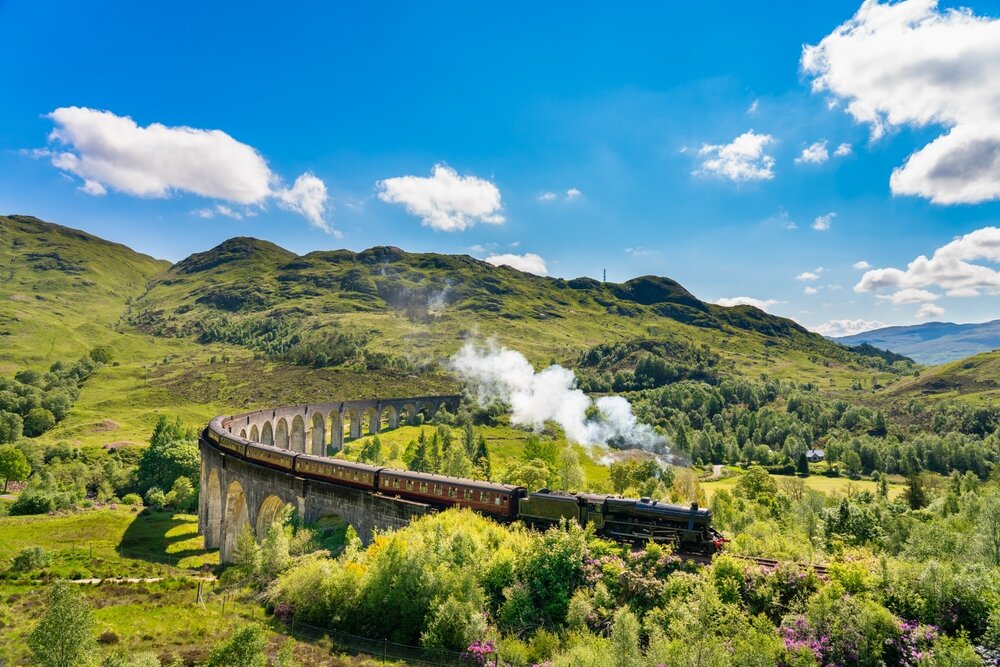
Scotland is an excellent destination for families, with plenty to appeal to children of different ages. Castles, Harry Potter filming locations, domesticated Highland cow encounters, boat trips on Loch Ness, scenic train journeys, beaches, and easy hikes offer opportunities to balance sightseeing with outdoor adventures, while attractions in Edinburgh and Glasgow provide plenty of options for rainy days (see this two-week Family Tour of Scotland for a combination of it all).
Traveling with children is generally straightforward, though it's worth allowing extra time when exploring the Highlands and islands, where distances can be deceptive and facilities more spread out. Family-friendly accommodations are widely available, and many restaurants and pubs welcome children.
Scotland-Specific Travel
What's the difference between the Highlands, Lowlands & islands?
Scotland is often loosely divided into three distinct regions. The Highlands cover much of northern and western Scotland and are known for rugged mountains, deep lochs, glens, and sparsely populated countryside. This is where you'll find destinations such as Glencoe, Loch Ness, and the Cairngorms, as well as some of Scotland's most dramatic scenery.
The Lowlands encompass much of southern and central Scotland, including Edinburgh and Glasgow, and generally feature gentler landscapes, farmland, historic towns, and the country's largest cities. Scotland's nearly 800 islands lie primarily off the north and west coasts, grouped into areas such as the Inner and Outer Hebrides, Orkney, and Shetland. Only around 90 are inhabited, and each has its own character, with landscapes ranging from white-sand beaches and rugged mountains to windswept moors and ancient archaeological sites.
Where should I stay: Edinburgh, Glasgow, Inverness, the Highlands, or the Isle of Skye?
It depends on what you want to experience, and most first-time travelers will benefit from staying in more than one place. Edinburgh is ideal for history, architecture, museums, and exploring on foot, while Glasgow suits travelers interested in art, music, nightlife, and a lively food scene. Inverness is a compact base for exploring Loch Ness, Culloden Battlefield, and the northern Highlands.
For dramatic landscapes, hiking, castles, and quiet countryside, spend a few nights in the Highlands rather than relying solely on day trips from the cities. The Isle of Skye is worth an overnight stay for its rugged coastline, mountains, and iconic natural sights; staying two or three nights gives you more flexibility in the face of the island's famously changeable weather. A well-rounded Scotland itinerary often combines Edinburgh or Glasgow with the Highlands and, if time allows, Skye.
Can I visit the Isle of Skye as a day trip?
Yes! Inverness is the best place to base yourself for a day trip to Skye. Expect a full day of approximately 10-12 hours. From anywhere farther south, it becomes a very long day, and we generally recommend spending at least one night on the island.
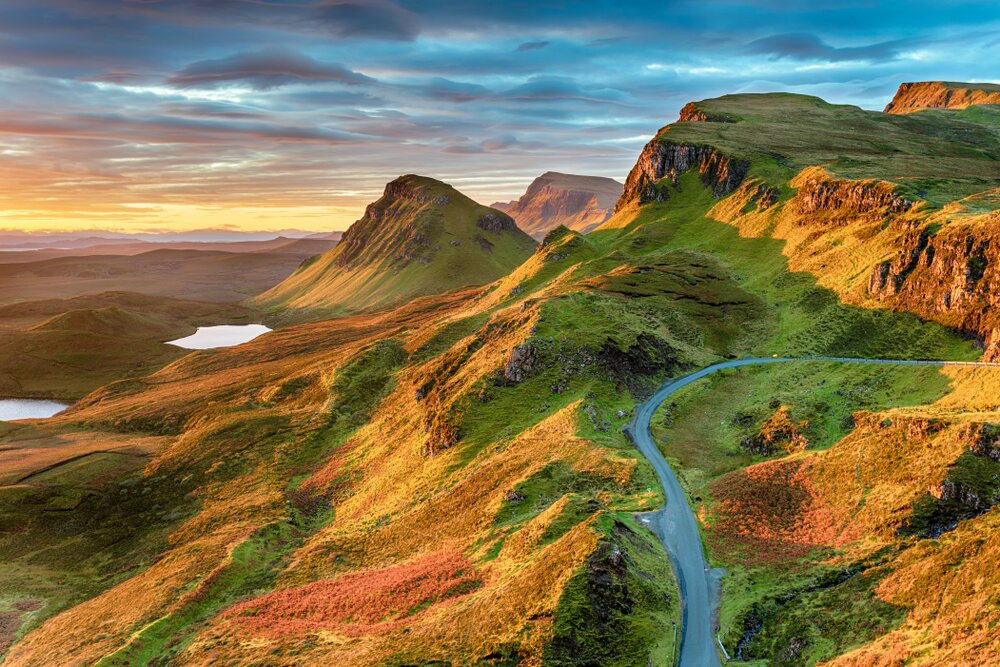
Yes, but whether it's worthwhile depends on where you're starting. Skye is best visited from the western Highlands, with towns such as Fort William or Kyle of Lochalsh providing much easier access than Edinburgh or Glasgow. A day trip from Inverness is also possible, though expect a long day, about 10-12 hours, with considerable time on the road. If your itinerary allows, spend at least one night on the island instead. This gives you time to explore highlights such as the Old Man of Storr, Quiraing, Fairy Pools, and Portree at a more relaxed pace, with some flexibility for Skye's unpredictable weather.
What are midges & should I worry about them?
Midges are tiny biting insects found mainly in the Highlands and western Scotland during the warmer months, particularly from June to September. You're less likely to encounter them in cities, along breezy coastlines, or on windy days. While they're often talked about, they're usually more of a nuisance than a serious problem. A little insect repellent goes a long way, as does wearing long sleeves and pants when hiking or camping.
Is it true Scotland experiences four seasons in one day?
Sometimes it certainly feels that way. Scotland's weather is famously changeable, and sunshine, clouds, wind, and rain can all make an appearance within a matter of hours. Conditions can shift especially quickly in the Highlands and along the coast, where the terrain and Atlantic weather systems add to the unpredictability. The key is to come prepared: pack layers and a waterproof jacket, and wear sturdy, water-resistant footwear when heading outdoors. A rainy morning doesn't necessarily mean a washed-out day—and a sunny start doesn't guarantee it'll stay that way.
How likely am I to see Highland cows?
Pretty likely, especially if you're traveling through the countryside. Highland cows—or "Heilan coos," as they're known in Scots—are found across the country, not just in the Highlands. You're most likely to see these shaggy, long-horned cattle grazing on farms and estates or beside rural roads in areas such as the Highlands, Cairngorms, Loch Lomond, and the islands.
They're livestock rather than wild animals, so sightings aren't guaranteed, but some farms and attractions offer opportunities to see them up close (you can even see them on the grounds of Prestonfield House in Edinburgh or visit a dedicated Highland cow farm near Loch Ness). If you encounter Highland cows while walking or driving, admire them from a safe distance, don't feed or approach them, and take particular care around mothers with calves.
Do I need to book castles, whisky distilleries, or popular attractions in advance?
Yes, it's a good idea, particularly if you're visiting between late spring and early fall. Popular attractions such as Edinburgh Castle, limited-capacity experiences, and whisky distillery tastings can sell out, while advance reservations give you a better choice of entry times. Booking ahead is especially important during July and August, on weekends, and during major events such as Edinburgh's August festivals.
For whisky distilleries, reserve any tastings or guided experiences you're particularly excited about rather than assuming you can walk in. Castles and larger attractions may have more same-day availability outside peak season, but booking your must-sees in advance helps avoid disappointment.
Are sheep really on the roads?
Yes, especially in the Highlands and on the Isle of Skye. Sheep frequently wander onto unfenced rural roads, so always drive carefully and be prepared to slow down. Consider it part of the experience—and allow a little extra time for the occasional woolly traffic jam.
Can I drink water from Highland streams?
Although many Highland streams look crystal clear, we don't recommend drinking directly from them unless the water has been properly filtered or treated. While the water is often very clean, it can still contain bacteria or parasites.
Cash & Credit Cards
Should I have cash on me when traveling around in Scotland?
While nearly everywhere accepts cards, some smaller shops, cafés, honesty boxes, and taxis in rural areas may still prefer cash.
Can I use my credit card in Scotland?
Credit and debit cards are widely accepted throughout Scotland, and contactless payments are common at hotels, restaurants, shops, attractions, and on many forms of public transportation. Visa and Mastercard are the most widely accepted, while American Express may be less commonly accepted, particularly at smaller businesses.
It's still useful to carry a small amount of cash for occasional purchases in rural areas, small markets, or businesses that don't accept cards. Before traveling, check whether your card charges foreign transaction fees, and when given the option to pay in your home currency or pounds, choosing pounds generally avoids an unfavorable dynamic currency conversion rate.
Tipping
Is there a tipping culture in Scotland?
Tipping is appreciated in Scotland, but it's generally more relaxed than in the US or Canada.
How much should I tip?
At restaurants with table service, 10-15% is customary for good service, though some establishments automatically add a service charge, so check your bill before tipping extra. You don't typically need to tip when ordering drinks at the bar in a pub.
For taxis, rounding up the fare is common. Tipping hotel staff, guides, and drivers is appreciated for good service but remains discretionary. If you enjoyed a tour, tipping your guide or driver a few pounds, around 10%, is always appreciated. This works out to be GBP 5-10 per person for an excellent group experience or GBP 10-20 for a private tour.
Chat with a local specialist who can help organize your trip.
Food & Drink
What's the food like in Scotland?

Scottish food is hearty and closely tied to the country's landscapes, with plenty of seafood, game, beef, root vegetables, oats, and locally grown produce. Traditional dishes include haggis with neeps and tatties (turnips and potatoes), Cullen skink (a creamy smoked-haddock soup), scotch broth, steak pie, and cranachan, a dessert made with cream, raspberries, oats, and whisky. Along the coast and islands, expect excellent salmon, smoked fish, scallops, mussels, langoustines, and other fresh seafood.
Scotland's food scene extends well beyond its traditional fare, with contemporary restaurants, gastropubs, farm-to-table dining, and international cuisines particularly prevalent in Edinburgh and Glasgow. You'll also find excellent cheeses, baked goods, and sweets, alongside the country's famous whisky and a growing craft beer and gin scene. Vegetarians, vegans, and travelers with dietary restrictions are generally well catered for, especially in larger towns and cities.
What can I expect to pay for a meal or drink?
Dining costs vary depending on where you are and the type of restaurant, with Edinburgh generally among the most expensive cities, especially during August festivals. As a rough guide, expect to pay around GBP 12-20 for a casual breakfast or lunch, GBP 15-25 for a main course at a pub or casual restaurant, or GBP 25-40 at a midrange restaurant, and GBP 60 or more per person for a meal at a higher-end restaurant, before drinks.
A pint of beer typically costs around GBP 5-7, while a glass of wine is roughly GBP 6-10 and a dram of whisky generally starts around GBP 4-6, with rare or aged whiskies costing considerably more. A tasting flight could be GBP 15-40, depending on the venue. Cafés, bakeries, pubs, and supermarket meal deals can help keep costs down, while tasting menus and fine dining can easily exceed these ranges.
How easy is it to travel in Scotland with dietary restrictions?
Scotland is generally easy to navigate with dietary restrictions, particularly in Edinburgh and Glasgow, where vegetarian, vegan, gluten-free, and dairy-free options are widely available. Restaurants are accustomed to handling common allergies and dietary requirements, and menus often clearly identify allergens or suitable dishes.
Options can be more limited in remote parts of the Highlands and islands, so planning ahead is recommended, but most restaurants are happy to accommodate dietary needs whenever possible. If you have a serious food allergy, communicate it clearly when ordering rather than relying solely on menu labels.
Can I drink the tap water in Scotland?
Scotland is famous for having some of the purest and best-tasting tap water in the world. Sourced from pristine lochs, reservoirs, and mountain catchments, the water is exceptionally clean and perfectly safe to drink. Bring a reusable water bottle, and you can confidently refill it almost anywhere throughout your trip.
Do pubs serve food?
Many pubs in Scotland serve excellent lunches and dinners, ranging from simple snacks and sandwiches to hearty traditional dishes. Typical pub menus might include fish and chips, steak pie, burgers, soups, and haggis with neeps and tatties, while gastropubs often offer more contemporary dishes made with seasonal Scottish ingredients. Don't overlook a local pub; they're often among the best places to experience Scottish hospitality.
Keep in mind that food service hours may be shorter than the pub's opening hours, particularly in smaller towns and rural areas, so it's worth checking ahead. In popular destinations, reserving a table for dinner is also a good idea during the busy summer months.
What's the whisky culture like?
Whisky is deeply woven into Scottish culture, with more than 150 distilleries producing everything from light, floral single malts to rich, smoky whiskies. Scotland's five main whisky-producing regions—Highland, Lowland, Speyside, Islay, and Campbeltown—are known for different styles and traditions, although flavors can vary considerably within each region.
Visiting a distillery is one of the best ways to learn about the craft, with many offering guided experiences and tastings that explain the production and aging process. You'll also find extensive whisky selections in pubs and dedicated whisky bars, where ordering a "dram" is an easy way to sample different styles. If you're driving, remember Scotland has strict drink-driving limits; many distilleries can provide takeaway samples for the designated driver.
What kind of hours are restaurants open?
Most cafés open around 8 am-9 am, with lunch served from 12 pm-2:30 pm. Dinner service typically begins around 5:30 pm-6 pm, with kitchens often closing between 9 on and 10 pm, particularly outside the major cities.
Packing
What essential items should I pack for a trip to Scotland?
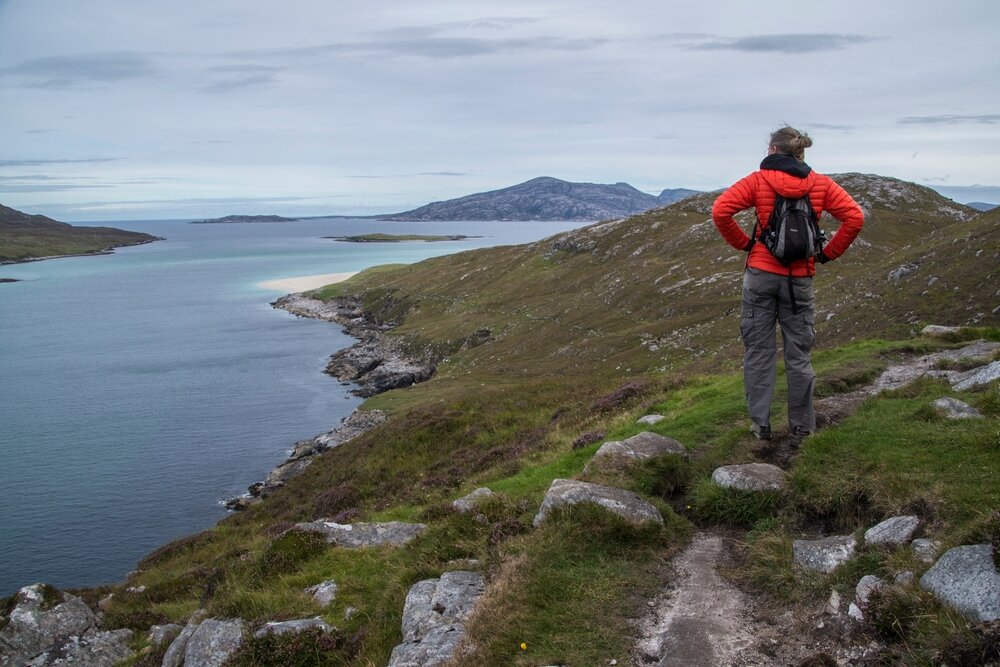
Scotland's changeable weather makes layers the key to packing well, no matter the season. Bring a waterproof jacket, comfortable water-resistant walking shoes or boots, lightweight layers you can add or remove, and a warm sweater or fleece. Even during summer, evenings can be cool. A compact umbrella can be handy in cities, though a hooded rain jacket is often more practical in windy conditions.
From late spring through early fall, pack insect repellent for midges, particularly if you'll be spending time in the Highlands or islands; hikers may also appreciate a midge head net. Other useful essentials include a UK Type G plug adapter, a reusable water bottle, sunscreen, sunglasses (yes, really!), and a small daypack. If you're heading into the countryside, download offline maps and pack a portable charger, as cell service can be unreliable in more remote areas.
What should I wear for hiking in Scotland?
Waterproof hiking boots, moisture-wicking clothing, rain gear, warm layers, and a daypack are recommended. Even on sunny days, the weather can change quickly, especially in the Highlands.
Do I need an electrical adapter/converter?
Travelers from outside of the UK will need an adapter and possibly a voltage converter, depending on their devices. Scotland uses Type G electrical outlets, which have three rectangular prongs, the same used throughout the UK, and supply a different voltage (230V/50Hz) than North America (110V/60Hz) and much of Europe.
Whether you also need a voltage converter depends on your device. Many modern electronics—including phones, laptops, tablets, and camera chargers—are dual voltage and work with 100-240V, meaning you'll only need an adapter. Check the voltage printed on your device or charger before plugging it in; appliances designed only for 110-120V, such as some hair dryers and styling tools, require a suitable voltage converter or should be left at home.
I'm traveling with kids. Do I need to pack a child seat?
If you'll be renting a car in Scotland, children generally need an appropriate car seat until they're 12 years old or 4'5" (135 cm) tall, whichever comes first. Rental car companies typically offer child seats for an additional fee, but availability and quality can vary, so reserve one in advance or consider bringing your own.
If you bring a car seat from home, make sure it's approved for use in the UK and compatible with your rental vehicle; North American car seats aren't automatically UK-approved. Rules can differ for taxis, private transfers, and other vehicles, so check arrangements with your transportation provider before your trip.
Safety
Is Scotland a safe place to travel?
Scotland is considered one of the safest countries in Europe, with most visits trouble-free. Violent crime is rare, and the biggest concern for visitors is petty theft in busy tourist areas, particularly at night, though it's much less common than in many major European cities.
In rural Scotland, safety concerns are more likely to involve the environment. Weather can change quickly, roads can be narrow and winding, and cell service may be limited in remote parts of the Highlands and islands. If you're hiking or driving in these areas, check conditions beforehand, carry appropriate clothing and supplies, and let someone know your plans when heading somewhere particularly remote.
What natural hazards should I know about?
Scotland has relatively few serious natural hazards, but its weather and rugged landscapes deserve respect. Conditions can change rapidly in the Highlands and mountains, bringing heavy rain, strong winds, fog, snow, or poor visibility even when the day starts out clear. Heavy rainfall can also cause localized flooding, while snow and ice may make roads and trails hazardous in winter. And while the country doesn't have dangerous wildlife, sheep and deer are common on rural roads, so drive carefully.
If you're hiking, be mindful of steep or uneven terrain, boggy ground, river crossings, and exposed mountain routes, and don't rely solely on cell service for navigation. Along the coast, watch for strong currents, waves, slippery cliffs, and rapidly changing tides. Check weather and trail conditions before heading out, wear appropriate gear, and be prepared to change your plans if conditions deteriorate.
Is Scotland safe for solo female travelers?
Scotland is generally considered a safe and welcoming destination for solo female travelers. Edinburgh, Glasgow, and other towns and cities are straightforward to explore independently, while the country's well-developed transportation network makes it possible to travel between many destinations without a car. As anywhere, use normal precautions, particularly at night: stay aware of your surroundings, keep valuables secure, and use licensed taxis or reputable transportation services.
If you're venturing into the Highlands or other remote areas, the greater concern is often the landscape rather than personal safety. Cell service can be limited, weather can change quickly, and trails may be isolated, so share your plans with someone, check conditions before setting out, and carry appropriate clothing, water, and navigation tools.
Is Scotland an inclusive destination for LGBTQ+ travelers?
Scotland is considered one of the most LGBTQ+ friendly countries in Europe, with legal protections against discrimination and a visible LGBTQ+ community, particularly in Edinburgh and Glasgow. Same-sex marriage is legal, and travelers will find LGBTQ+-friendly accommodations, nightlife, events, and businesses in the larger cities.
Attitudes can vary from person to person, as they do anywhere, and LGBTQ+ venues and services are naturally less prevalent in smaller towns and rural areas. Most travelers can expect to explore Scotland comfortably as themselves, while taking the same general precautions they would when visiting any unfamiliar destination.
Is hiking in Scotland safe?
Hiking in Scotland is generally safe as long as you're prepared, yet conditions can be more challenging than the elevation or distance of a route might suggest. Weather can change quickly, particularly in the Highlands, and rain, strong winds, poor visibility, boggy terrain, and limited cell service can turn a straightforward hike into a more demanding one.
Choose trails suited to your experience level, check the weather and route conditions before setting out, and carry waterproof layers, sturdy footwear, water, food, and a map or offline navigation tool. For mountain hikes and remote routes, don't rely solely on your phone, and let someone know where you're going and when you expect to return. Less-experienced hikers may prefer a guided hike when tackling unfamiliar or more challenging terrain.
Staying Connected
How can I use my phone in Scotland?
Most travelers find that purchasing an eSIM before arrival is the easiest option (if you don't already have an international roaming package from your current provider). First, check whether your phone can support an eSIM. You can find a comprehensive list of devices that support eSIMS here or call your provider.
Can I buy a local SIM card or eSIM?
Local SIM cards are available at airports, supermarkets, and mobile phone stores. Popular providers include EE, Vodafone, O2, and Three. eSIMs are also widely available and easy to install before your trip.
Is the WiFi reliable in Scotland?
WiFi is generally reliable in Scotland's cities and larger towns, and most hotels, cafés, restaurants, and many public spaces offer internet access. Travelers should have little trouble staying connected in Edinburgh, Glasgow, Inverness, and other populated areas. Connections can be slower or less reliable in remote parts of the Highlands and islands, particularly at rural accommodations. A UK SIM or eSIM with mobile data can provide a useful backup, although cell service can also be patchy in more isolated areas.
Will I have cell service in the Highlands & on the islands?
Most towns have reliable coverage, but cell service can become spotty or disappear altogether in remote parts of the Highlands and islands. If you'll be driving or hiking in these areas, it's a good idea to download maps, tickets, reservations, and other essentials ahead of time (rather than relying on a constant connection).
Etiquette
Are there any Scottish customs or etiquette practices I should know?
Scots are known for being friendly and polite. Saying "please" and "thank you" goes a long way. In pubs, you'll typically order and pay at the bar unless table service is offered, and buying a round of drinks is common when socializing with a group. Avoid being overly loud in public spaces, respect queues, be courteous to locals, and if you're hiking, it's customary to greet fellow walkers with a friendly hello. If you're driving on single-track roads, use passing places properly and acknowledge other drivers with a quick wave.
When exploring the countryside, follow the Scottish Outdoor Access Code: respect private homes and working farms, leave gates as you find them, take your litter with you, and keep dogs under control around livestock. It's also best to avoid referring to Scotland as England or assuming the two are interchangeable—Scotland has its own distinct history, culture, traditions, and national identity.
What's the proper etiquette when visiting religious & historic sites in Scotland?
Most of Scotland's castles and historic sites have a relaxed atmosphere, but visitors should follow posted rules, stay on marked paths, and avoid climbing on ruins or touching fragile artifacts. Photography is often permitted, though flash, tripods, or photography altogether may be restricted in certain interiors, so check signage before taking pictures.
Churches and cathedrals may be tourist attractions, but many remain active places of worship. Keep voices low, silence your phone, dress respectfully, and avoid disrupting services or private prayer. At cemeteries, battlefields, memorials, and other sensitive historic sites, be mindful of their significance and treat graves, monuments, and commemorative areas with respect.
Entry Requirements
Do I need a visa to visit Scotland?
Scotland follows the United Kingdom's entry requirements, so whether you need a visa depends on your nationality, the purpose of your trip, and how long you plan to stay. Many travelers—including citizens of Canada, the US, Australia, and European countries—don't need a visa for tourism stays of up to six months, but they do need an Electronic Travel Authorization (ETA) before traveling to the UK.
Travelers from other countries may need to apply for a Standard Visitor visa in advance. Requirements can change, so check your individual circumstances using the UK government's visa and ETA checker for entry requirements well ahead of your travels. Your passport should also be valid for the entire duration of your stay.
What do I need to know about the new ETA requirements for Scotland?
Most travelers who previously could visit Scotland without a visa now need a UK Electronic Travel Authorization (ETA) before traveling. This digital travel permission allows eligible travelers to visit the UK for up to six months for tourism (and certain other purposes). Each traveler needs their own ETA, including babies and children. It currently costs GBP 20 and is electronically linked to the passport used for the application. An ETA remains valid for two years or until that passport expires, whichever comes first, and can be used for multiple trips during that period.
Apply before you travel using the official UK ETA app or GOV.UK website; while many applications are processed quickly, the UK government recommends allowing up to three working days for a decision. British and Irish citizens and travelers who already have certain UK immigration permissions don't need an ETA. Because eligibility and requirements can change, you should always check the official UK government ETA guidance before departure.
Do I need any vaccinations to visit Scotland?
No specific vaccinations are required for most visitors. As with any international trip, it's a good idea to be up to date on routine vaccinations and check your government's travel advice before departure.
Travelers with Disabilities
Is Scotland accessible to travelers with disabilities?
Accessibility has improved significantly in recent years. Major attractions, museums, and many newer hotels are accessible, especially in Edinburgh and Glasgow. However, some historic buildings, castles, cobblestone streets, and older accommodations can present challenges. Planning ahead and confirming accessibility features with your accommodations and tour providers is recommended.