Weather
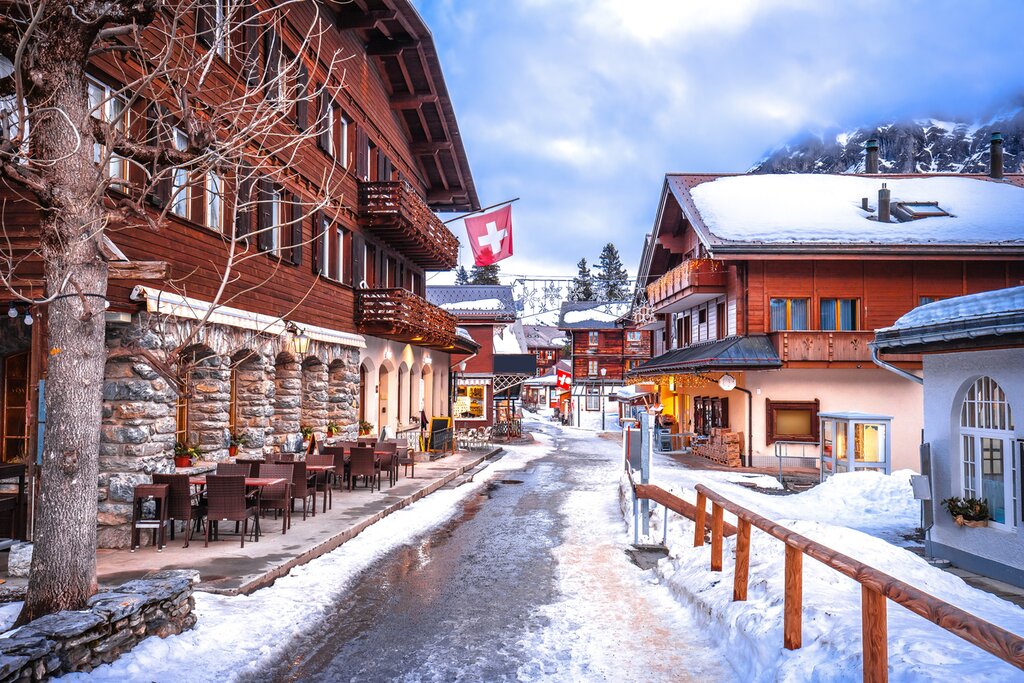
January is midwinter in Switzerland, and places above 5,000 feet (1,500 m) will almost certainly have snow on the ground. While winter starts in December, the thickest snow is on the ground in January and February. Foehn winds (warmer southerly winds on the northern slopes of the Alps) mainly occur in winter and can lead to sudden, unpredictable weather.
In Switzerland's towns, cities, and lower valleys, January weather can be dull, cold, and wet, but not necessarily snowy. Heavy snow is uncommon at lower elevations, although you might experience a dusting. The days are also short, so the temperatures can feel even colder without much sunlight.
In lowland cities like Zürich, Geneva, and Lugano, the average January temperature is 37°F (3°C). Temperatures at higher elevations in the Alps are generally colder: the average January temperature in Zermatt, for example, is 21°F (-6°C).
Crowds & Costs
January is the peak season for travel to Switzerland, as people flock there from around Europe (and farther afield) for ski and other snow sports vacations. The Bernese Oberland, Valais, and St. Moritz areas of the Alps are especially busy.
Costs are always high in Switzerland, but they're at their highest in the mountains in winter. This also applies to the cities, as most travelers spend time there before heading into the mountains.
Where to Go
Whether you're a downhill skier, snowboarder, cross-country skier, or just want to experience the beauty of Europe's most prominent mountains in winter, head to the Alps in January. St. Moritz (in the southeast) and Zermatt (in the southwest) offer some of Switzerland's best skiing and other snow sports.
To enjoy a different kind of winter sport, head to the Upper Engadine, Lower Engadine, Upper Rhône, or Matter Valleys to go winter hiking (see more below). It's not safe to walk just anywhere in the mountains in winter, but these places have well-prepared trails, especially for winter hiking.
Chat with a local specialist who can help organize your trip.
What to Do
Most visitors to Switzerland in January will want to go skiing or snowboarding. Whether you're an experienced regular or would like to take lessons (or have your kids take lessons), there are well-run ski resorts all over the Alps.
Alternatively, if you're fit and well-prepared but not a skier, winter hiking is a great way to experience the Swiss Alps. Switzerland is renowned for its well-marked trails in the summer, and winter travelers don't have to miss out. It's essential to stick to well-prepared trails in winter, though, because many trails that are great in summer aren't suitable for hiking after the snow falls. Also, factor in more time: it takes longer to hike on pressed snow than on earth trails.
Events in January
January 1, Nationwide. New Year's Day is observed as a holiday, so expect some business closures.
World Snow Festival, Grindelwald. International artists come to the Jungfrau region to create ice sculptures for about a week in mid to late January.
International Hot-Air Balloon Festival, Château-d'Oex. Enjoy the sight of colorful balloons soaring against the white mountain backdrop, and even have a ride yourself. The festival is held over nine days in late January.
Traveling to Switzerland in January? Check out these great itineraries
Winter Escape to the Swiss Alps - 10 Days. Jet off to the iconic Alps and enjoy many highlights, including ski days in St. Moritz, ice skating in Interlaken, and cable car rides up the Matterhorn—you'll even take a fondue boat cruise.
Ultimate Winter Adventure in Switzerland: Skiing, Sledding & Sightseeing - 14 Days. Get away to the Alpine wonderland to cover the best of Switzerland's cold-weather highlights, starting with ski days in southern resort areas and tours of cultural and historical hotbeds like Bern and Zürich. Along the way, you'll do some ice skating, ride cable cars to iconic peaks, and enjoy plenty of Swiss fondue.
More Helpful Information
Switzerland in December
Switzerland in February
Best Time of Year to Visit Switzerland
How Many Days to Spend in Switzerland