Seasonal Planning for Argentina Travel
Early fall (March to April) is the best time to visit Argentina if you want to experience the country's diverse landscapes in one trip. Temperatures are comfortable from Buenos Aires to Mendoza, vineyards blaze with autumn color during the grape harvest, and Patagonia's hiking trails remain accessible with fewer crowds than the summer peak. Later spring (October to November) is an equally rewarding alternative, bringing colorful bursts of wildflowers, pleasant weather, and longer days before the busiest holiday season begins.
Argentina's immense size—it stretches nearly 2,300 miles (3,700 km) from subtropical rainforest to subantarctic Patagonia—means the climate varies dramatically by region. While the north stays warm year-round, the south experiences four distinct seasons, making timing especially important if your itinerary includes Patagonia. As a rule of thumb, the farther south you travel, the shorter the window for warm-weather adventures.
Summer (December to February) is the busiest travel season and the best time for hiking in Patagonia, visiting the Lake District, exploring Tierra del Fuego, or lying on the coastal beaches thanks to long daylight hours and mild temperatures. It's also the hottest and most crowded time to visit Buenos Aires, where temperatures soar and power outages are a perennial problem (or the northern interior: heat and humidity can be downright intolerable).
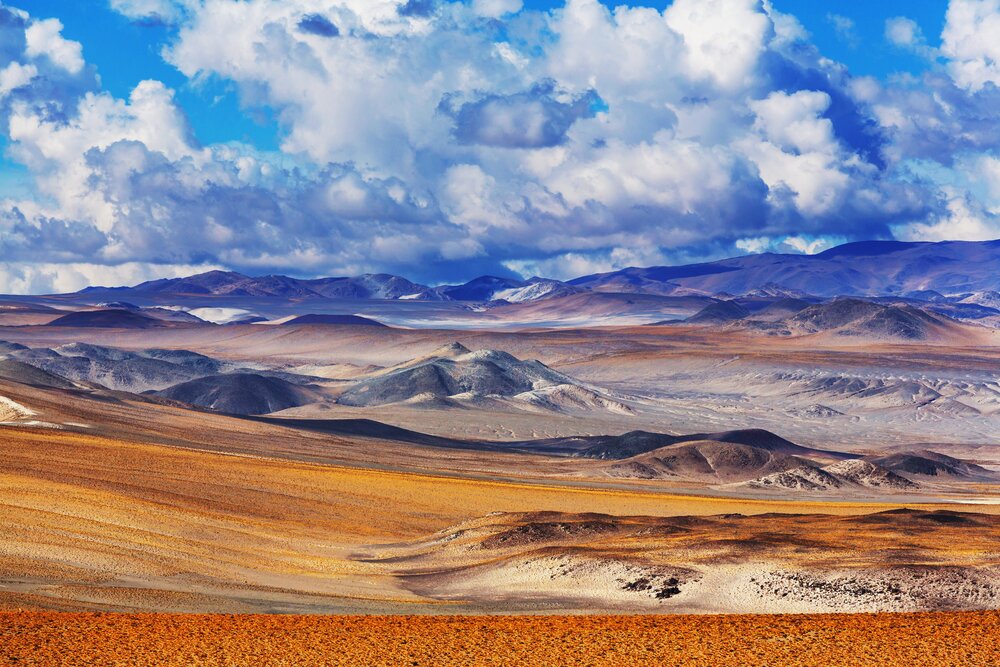
Winter (June to August) brings snow to the Andes, making Bariloche an ideal destination for skiing and snowboarding, while the cool, dry weather in Salta, Jujuy, and Iguazu creates excellent conditions for exploring the country's colorful northwest, home to striking natural landscapes: rainbow-striped mountain ranges, red rock canyons, and bright white salt flats.
| Seasons | Pros | Cons | Best for | Where to Visit |
| Spring (Sep-Nov) |
Blooming landscapes; mild, sunny weather; fewer crowds; hotels are easier to book |
|
City exploration and festivals, sightseeing, hiking |
Buenos Aires, Mendoza, Salta, Jujuy, Iguazú Falls |
| Summer (Dec-Feb) | Warm weather in the south; Buenos Aires is less crowded | Very hot and humid in the north; perennial blackouts in Buenos Aires and northern interior; peak crowds and high-season prices | Patagonia trekking, biking, camping, rafting, wildlife viewing, glaciers | Patagonia (Lake District, El Chaltén, Tierra del Fuego, etc), Bariloche |
| Fall (Mar-May) | Comfortable weather; fewer crowds; grape harvest festivals; pretty fall foliage (Mendoza and Bariloche) |
|
Winetasting, photography, city exploration (Buenos Aires), hiking, sightseeing, horseback riding, cycling |
Ushuaia, Lake District, Buenos Aires, Mendoza, San Juan, Salta, Jujuy, Iguazú Falls |
| Winter (Jun-Aug) |
Ski resorts are open for business; cool, dry weather in the north |
Many attractions shutter in southernmost provinces |
Wintersports, exploring northwest (Salta and Jujuy), cultural trips |
Salta, Jujuy, Iguazú Falls, Cafayate; Ushuaia for southernmost ski resort, Bariloche |
Spring in Argentina (September to November)
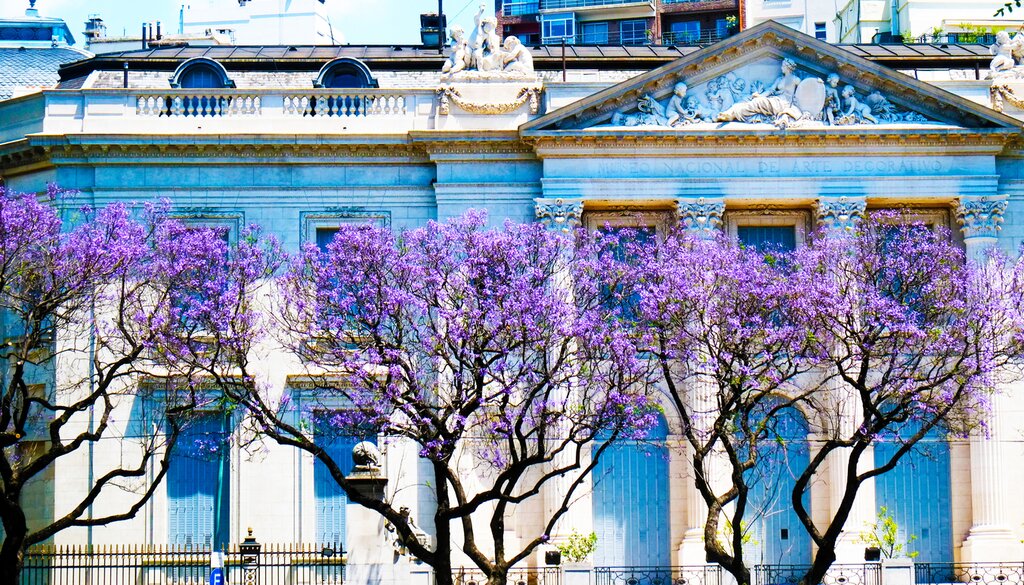
Our pick for any visit to Argentina. A bold claim, but consider this: the city of Buenos Aires is a vision in lilac as jacaranda trees bloom left and right, outdoor festivals enliven the city's cultural scene, and temperatures average around 70°F (21°C). Meanwhile, the beaches on the Atlantic coast are pleasant but not packed, Patagonia and its parks have reopened, and it's not yet oppressively hot in the north. True, it's not the wine harvest season. But Mendoza is gorgeous in spring as the snowcaps on the Andes start to melt and the rivers rush with icy water.
You heard it here: Argentina is a gem of a destination in all seasons. But spring is really the best.
Events in Spring
Vinos y Bodegas, Buenos Aires (September). Lovers of the grape shouldn't miss this huge Buenos Aires event, which highlights vintages from bodegas (wineries) all over Argentina.
Bariloche a la Carta, Lake District (October). This weeklong food festival represents the Lake District's best culinary offerings. Dozens of restaurants take part, showcasing special menus, and numerous food stalls and microbreweries set up shop in the main square.
Fiesta de la Tradición, San Antonio de Areco (November). This festival salutes the gaúcho and is especially significant in San Antonio de Areco, the most classically gaúcho of towns. However, it's also important (and much less touristy) in the mountain town of San José de Jáchal.
Learn More
Argentina in September
Argentina in October
Argentina in November
Chat with a local specialist who can help organize your trip.
Summer in Argentina (December to February)
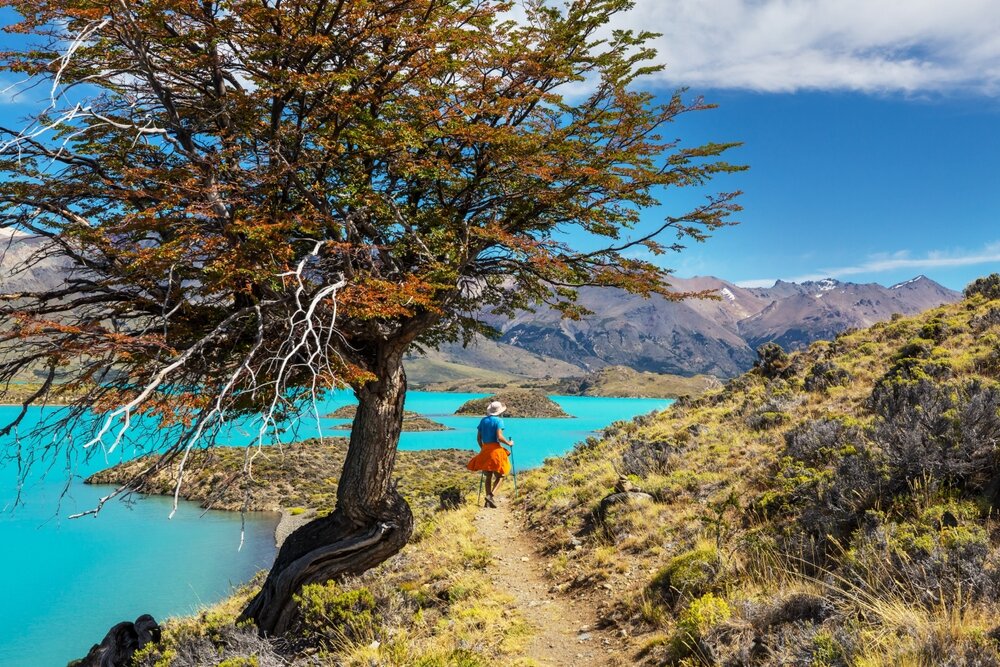
Skip the steamy north of Argentina in the summertime and head straight for the lakes, the beaches, and the wide open spaces of Patagonia. True, it's high season for outdoor adventurers who take to the hiking trails in the post-Christmas period, so you'll be paying top prices—and you'll have to plan your accommodations and flights well ahead of time. But you'll benefit from sunny weather and optimal conditions for trekking, biking, camping, rafting, wildlife viewing, and the like.
On any itinerary that takes you to the south of Argentina, it's inevitable that you'll pass through Buenos Aires. Days are long and hot in the capital in January (the average temperature is 76°F/25°C), but most days are much warmer, so it's not the ideal season for exploring the city.
On the other hand, if you don't mind the heat, visitors benefit from the relative peace and quiet in January. Lots of locals leave town, heading to the beach or the mountains for summer vacation. And once the sun goes down, the temperatures drop enough to let you enjoy an al fresco dinner, an outdoor concert, or a bicycle ride around the city.
Events in Summer
New Year's Eve, Nationwide (December 31). A staple of New Year's Eve pretty much anywhere in the world, celebratory fireworks are popular here. In Buenos Aires, get up high on a roof terrace to watch the sky light up when the clock strikes midnight, and say "Feliz Año!" to those around you. Or head to Puerto Madero on the banks of the Río de la Plata to see fireworks shoot over the river.
Festival Nacional del Folklore, Cosquín (January). Argentina's largest and best-known folk festival is held the last week of January in the town of Cosquín, near the city of Córdoba.
Carnival, Gualeguaychú (January / February). Each January and February, the town of Gualeguaychu hosts the most anticipated carnival in the country, famous for its dancers, costumes, and floats. Rivaling Rio's carnival, this celebration takes place over nine Saturdays between the first two months of the year, so you'll have plenty of chances to take part. The celebration is also rowdy in Corrientes.
Learn More
Argentina in December
Argentina in January
Argentina in February
Fall in Argentina (March to May)
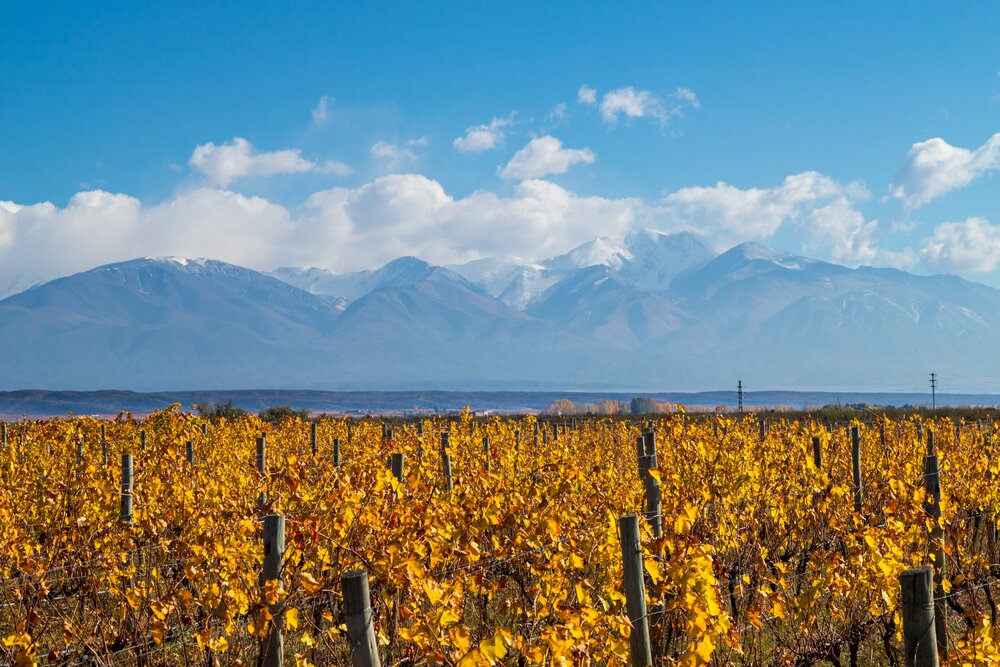
Plan ahead, and work up an appetite: this is the best season to visit Argentina's famous wine-growing region. Mendoza is ground zero for wine tasting, wine festivals, and winery tours, plus a wealth of outdoor activities from cycling to horseback riding in the foothills of the Andes. The weather is comfortable, with average temperatures in April rounding out at 63°F (17°C). But if you're looking at unseasonably warm weather, consider driving north from Mendoza to the neighboring province of San Juan. It's less touristy, and the regional specialty is (perfectly chilled) sparkling wine.
Needless to say, this shoulder season is also a great time to visit Buenos Aires. Not only can you count on lovely foliage and perfect weather for full days of walking and sightseeing, but hotel rates typically drop after the busy tourist season of the southern hemisphere winter.
Events in Fall
Grape Harvest Festival, Mendoza (March). In honor of wines from across the region, Mendoza holds a weeklong Fiesta Nacional de la Vendimia in March, which kicks off with parades, folk events, and the royal coronation of the queens chosen by the different districts of Mendoza. For wine enthusiasts, this is the biggest party of the year in Argentina's most prestigious wine-making region.
Festival Nacional del Chocolate, Bariloche (April). Held during Easter week (dates vary annually), Bariloche's chocolate festival often features a massive chocolate egg that is cracked and consumed on Easter Sunday. If that's not enough, there's the world's longest chocolate bar on display as well.
Learn More
Argentina in March
Argentina in April
Argentina in May
Winter in Argentina (June to August)
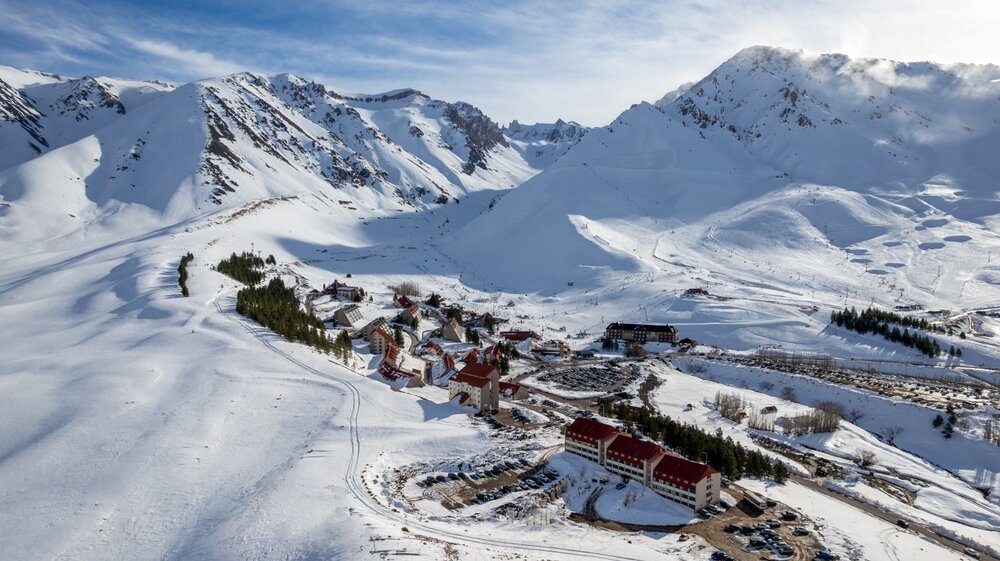
Argentina's ski resorts (all located in the south) have been getting more international press than usual in the past year or two. Good for local business, of course, but it could mean more crowds at ski resorts like Chapelco (near San Martín de Los Andes) in upcoming seasons. Argentine resorts are still under the radar compared to their Chilean counterparts on the other side of the Andes.
Bundle up: temperatures hover in the low 30s on the Fahrenheit scale (single digits in Celsius) around Ushuaia, the southernmost city in the world, and gateway to the world-class ski area around Cerro Castor. Perhaps more importantly, Patagonian destinations are said to experience all four seasons in the course of a single day, so be prepared to dress in layers.
Outside of the ski centers, many tourist destinations in the south close down in the winter. But it's the perfect time to visit the north, where sunshine and comfortable temperatures make Salta and the nearby wine region of Cafayate particularly welcoming.
Events in Winter
Fiesta de la Noche Más Larga, Ushuaia (June). The southernmost city in the world celebrates the longest night of the year with about 10 days' worth of music and shows. This is when the city gets decked out, and sleeping is forbidden.
Día de la Independencía, Nationwide (July 9). Argentina's Independence Day celebrations are especially strong in Tucumán, where the country's independence was first declared. This celebration takes place across Argentina and commemorates the date Argentina was granted independence in 1861.
Tango BA Festival y Mundial, Buenos Aires (August). This annual two-week festival draws world-class national and international tango dancers who perform throughout Buenos Aires. It's a great way to see some of Argentina's best tango dancers and musicians.