Weather
This is the time to take advantage of Argentina's nice—albeit hot and sticky in some areas—summer weather. Most international tourists fly in and out of Buenos Aires—an ideal stop for a few nights. You'll find heat and humidity in the city, which regularly hits the 80s Fahrenheit during the day (60s at night), and even hotter and more humid farther north toward the northeast border. This is why many escape the city and head for the Atlantic coast, where you'll enjoy milder temperatures and cool ocean breezes. The Andean desert, near Salta, for its part, experiences higher rainfall this time of year, though showers come in short, heavy bursts.
If interested in visiting Patagonia, this is one of the best months to do so, if you don't mind the region's summer winds and somewhat erratic weather, which can range from warm sunshine to drizzle, rain, or sleet, with a return to warm sunshine just as quickly. In fact, the weather here is famously unpredictable with distinct microclimates, but you can expect highs to linger in the 60s, which is great for activities in places like Bariloche, El Chaltén, and Ushuaia. No matter where you travel in Argentina, it's best to bring layers and outdoor gear suitable for rain and wind.
Crowds & Costs
This is one of the most popular months to visit Argentina for outdoor adventures and beach relaxation. If places like Patagonia and the Atlantic coast are on your mind, you should expect more people and top prices. In other words, book your accommodation and flights well in advance to snag the best prices and rooms, especially in places with limited lodging options like El Calafate, El Chaltén, and the Lake District. One exception is Buenos Aires, where hotel prices tend to be lower due to locals departing for holidays and summer weekends.
Where to Go
Most travelers will start their trip in Buenos Aires—a jumping-off point for pretty much anywhere in the country since the major attractions are spread out. Domestic flights can get pricey, but make sure to check out newish budget airlines in Argentina (like FlyBondi), which make it easier for visitors to plan side trips more spontaneously.
Since the entire country is open and ready for travelers at this time of year, you'll have plenty of options, though we recommend skipping the steamy north and opting instead for Argentina's beaches, lakes, and open vistas of Patagonia.
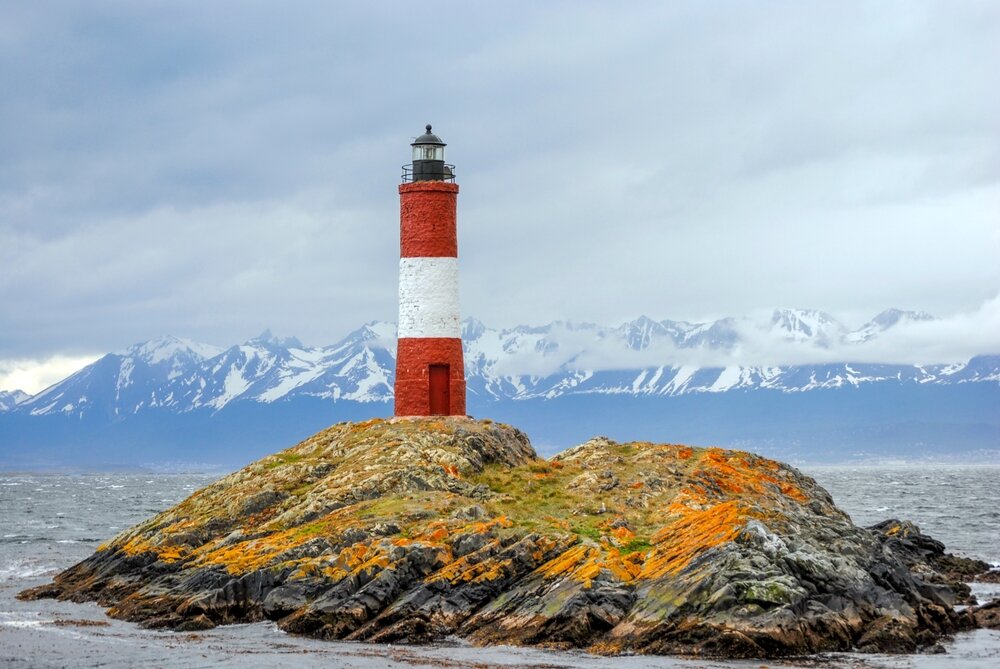
For instance, this is a great time of year to visit Ushuaia, the southernmost city in the world and point of entry to off-the-beaten-path hiking trails in the quiet mountains, as well as boat excursions to sea lion and penguin colonies and the famous lighthouse in the Strait of Magellan. With excellent seafood and interesting museums dedicated to maritime history, it's a cultural hub at the tip of Argentina.
As for beaches, Cariló is an upscale coastal town popular with locals, about a 4-hour drive from Buenos Aires. Another nearby option is Villa Gesell, with forested parks and golf courses, old fishing piers, and an elevated wooden boardwalk stretching a mile along the coast. Farther south is Mar del Plata with a packed cultural calendar, especially during the summer months.
Chat with a local specialist who can help organize your trip.
What to Do
This is the time of year that you'll benefit from sunny weather and optimal conditions for trekking, biking, camping, rafting, and wildlife viewing in Patagonia—all great for day-trips. For a multiday excursion, Los Glaciares National Park encompasses thousands of miles of wilderness and a number of guided trekking opportunities. One route gaining attention among hardcore adventurers is the 4-day Huemul Circuit, which includes camping every night.
Though it's hot in the wine region of Mendoza this time of year, you can cool off with a whitewater rafting excursion on the Río Mendoza outside of the town center. You can also cool off at the Iguazú Falls by taking a speedboat into the thundering cascades, getting drenched in the spray. Several boat trips make the hair-raising journey across the rapids.
If you don't mind the city heat, visitors in Buenos Aires benefit from the relative peace and quiet in February. During the hottest part of the day, head for El Zanjón de Granados, a museum in the passageways underneath the San Miguel neighborhood. And once the sun goes down, temperatures cool off, letting you enjoy an al fresco dinner or bike ride around the city. You can also hunt one of the city's famous speakeasies. These secretive bars are hard to find, but with a little research and chitchat with the locals, you'll be sipping a libation inside, say, an unmarked flower shop, in no time.
Events in February
Carnaval, Gualeguaychú. Each January and February, the town of Gualeguaychu hosts the most anticipated carnival in the country, famous for its dancers, costumes, and floats. Rivaling Rio's carnival, this celebration takes place over nine Saturdays between the first two months of the year, so you'll have plenty of chances to take part. The celebration is also rowdy in Corrientes and in Montevideo, the capital of Uruguay.
Apples National Festival, General Roca. Every year, the residents of Río Negro Valley (with General Roca as the venue) get into the spirit to honor one of nature's most perfect fruits: the apple.
Buenos Aires Tango Festival. Each year in February, check out traditional dance everywhere in the streets of Buenos Aires. There's also the opportunity to take some beginner's lessons free of charge, so you don't get left out of the two-step fun.
Festival Nacional del Lúpulo, El Bolsón. Beer swillers will love El Bolsón's hop festival, which honors the key ingredient for its artisanal craft beers. Expect musical performances, activities, food, and, of course, plenty of beer tasting.
Traveling to Chile in February? Check out these great itineraries
Best of Argentina - 14 Days. This adventurous two-week trip combines the best destinations Argentina has to offer with a range of outdoor activities and wildlife. The itinerary includes two cities (Buenos Aires and Ushuaia), a beautiful peninsula, and two national parks known for their glaciers and hiking trails. There's also whale watching, snorkeling with sea lions, and a visit to South America's largest Magellanic penguin colony for the ultimate photo ops.
Los Glaciares & Torres del Paine - 8 Days. This active trip highlights two UNESCO-listed parks in South America: Los Glaciares National Park—home to a whopping 13 major glaciers and the iconic Mount Fitz Roy and Torres del Paine National Park in Chilean Patagonia, where you'll find snowcapped peaks, thundering waterfalls, and turquoise lakes. Kick off the adventure in Buenos Aires for a taste of big-city culture.
More Helpful Information
Argentina in January
Argentina in March
Best Time to Visit Argentina
How Many Days to Spend in Argentina