
Seasonal Planning for Costa Rica Travel
Seasonal planning in Costa Rica is less about finding a "perfect" month and more about choosing the experience that fits your travel style. The dry season (mid-December through April) delivers reliable sunshine, golden Pacific beaches, and ideal conditions for hiking, wildlife watching, and ziplining—making it the most popular window for first-time visitors. It's a great fit if your priorities are smooth logistics, classic beach time, and (mostly) clear-sky views of volcanoes and cloud forests.
That said, the rainy "green" season (May through November) is often a favorite for those in the know. Rain typically falls in short afternoon bursts, leaving mornings open for exploring, and the payoff is tangible: fewer crowds, stronger availability at hotels and eco-lodges, and landscapes that feel intensely alive. Rivers run fuller, jungles deepen in color, and wildlife activity ramps up. For many kimkim travelers, shoulder months like May, June, and November strike the sweet spot—offering the best balance of value, atmosphere, and adventure.
For more on how to navigate Costa Rica's rainy season, see this article, and learn more here about Costa Rica's distinct regions.
| Seasons | Pros | Cons | Best for | Where to Visit |
| Dry (Dec-Apr) | Reliable sunshine/clear skies, ideal Pacific coast beach conditions, accessible roads to remote areas, prime outdoor activity conditions, best mountain and volcano viewing | Higher prices, peak crowds (especially around Christmas, New Year's, March Break) at popular beaches and national parks, drier landscapes in some regions (e.g., Guanacaste) | Beaches and watersports (surfing, snorkeling/diving); outdoor activities (hiking volcanoes and hanging bridges, ziplining/canyoning, wildlife spotting) | Guanacaste for sunny Pacific beaches and surf towns; Arenal Volcano/La Fortuna; Santa Teresa |
| Rainy (May-Oct) |
Short afternoon showers (not all-day storms), fewer crowds, more active wildlife, lower prices, better hotel availability, vibrant landscapes |
Afternoon showers (especially Sep-Oct on Pacific coast), washed out roads in rural areas, remote hotel seasonal closures |
Waterfall hikes; rainforest trekking; wildlife watching (turtles, whales, migratory birds); whitewater rafting |
Monteverde, Arenal/La Fortuna, Caribbean Coast (Sep-Aug): Manuel Antonio National Park, Puerto Viejo, Tortuguero National Park; Río Pacuare; Corcovado |
Dry Season in Costa Rica (December to April)

Costa Rica's dry season is ideal for classic, sun-forward itineraries that pair adventure with beach time. February and March are especially strong for routes linking Arenal Volcano, Monteverde, and Manuel Antonio National Park—clear skies mean better volcano views, excellent hiking conditions, and wildlife-rich park visits. For travelers prioritizing beach time, Guanacaste province delivers consistent sunshine and surf, though January through March books quickly and rewards early planning. It's the season for seamless logistics, dry trails, and that first-time "greatest hits" experience.
There are nearly endless outdoor activities to keep one busy while traveling to Costa Rica, but here are just a few popular haunts that might be best saved for the sunny season.
Arenal Volcano National Park
Arenal hosts the vibrant blue-green La Fortuna Waterfall. It's best to visit this beautiful spot now because the wet season's persistent rains can muddle the clearness of this natural feature, detracting from what makes it such a popular destination. Read more about the park in our Ultimate Guide.
Poas Volcano National Park
Located in the Central Valley, Poas Volcano National Park hosts the largest active crater in the world. Working up a sweat on its many hiking trails might not pay off during the rainy season, as the breathtaking crater view is often obscured by thick fog. See more on the best active experiences in Costa Rica.
San José
San José is the biggest and most active city in the country. While its skyline isn't dotted with dozens of skyscrapers, it does play host to plenty of public parks, museums, churches, and an active nightlife scene. We all know that city sightseeing is simply more pleasant when the sun is shining. Here's more on exploring San José.
Learn More
Costa Rica in December
Costa Rica in January
Costa Rica in February
Costa Rica in March
Costa Rica in April
Chat with a local specialist who can help organize your trip.
Rainy Season in Costa Rica (May to November)
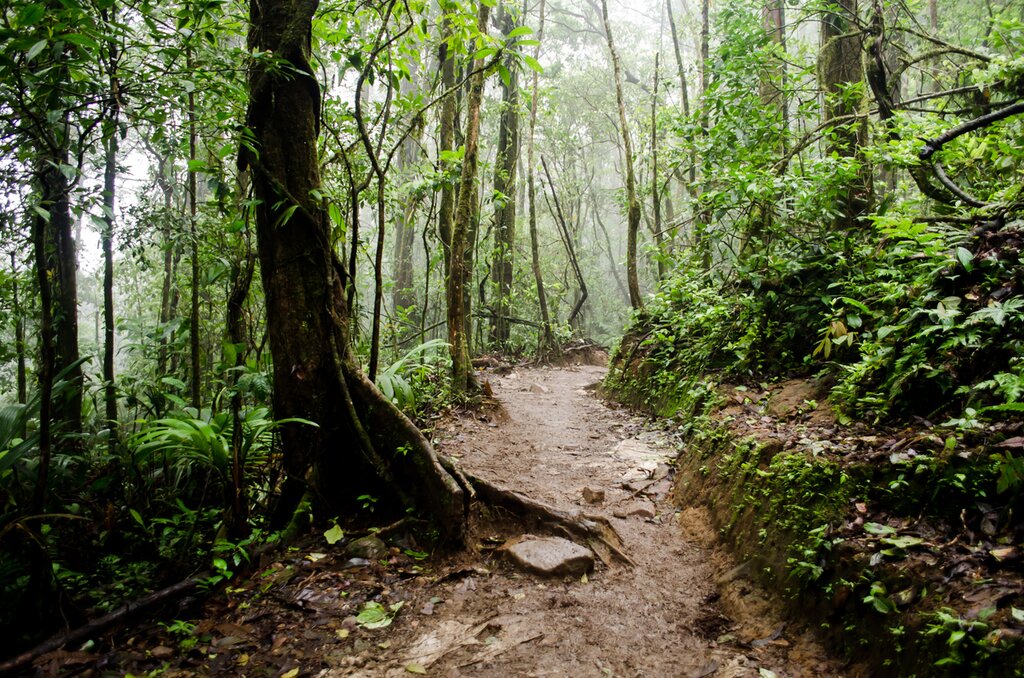
The green season shifts the focus from predictability to atmospheric, and often, value. May and June are particularly compelling for a rainforest-driven itinerary through Arenal and Monteverde: landscapes are vivid, waterfalls run strong, and mornings are typically open for exploring before afternoon showers roll in. September and October, often overlooked, are a smart time to head to the Caribbean side near Puerto Viejo de Talamanca, which tends to see drier weather when the Pacific is at its rainiest.
For wildlife-focused trips, the Osa Peninsula shines in late summer and early fall, with fewer visitors and heightened animal activity, namely southern humpback whales—ideal for travelers who value immersion over peak-season buzz.
Monteverde Cloud Forest Reserves
There are several to choose from, so take your pick! Cloud forests tend to be rather damp, drippy places with a higher chance of rain anyway, so travelers should expect to experience hints of rain no matter the season. Read more in our Ultimate Guide.
Puerto Viejo de Talamanca
Puerto Viejo de Talamanca is a quiet beach town along the Caribbean coast, where you'll find locals living with Afro-Caribbean culture. This is a good place to enjoy nightlife with a reggae or dancehall vibe. Puerto Viejo is one of the few Costa Rican destinations that typically remain sunny and dry during the rainy season, with September and October generally the driest months of the year. For more ideas and inspiration, read Best Things to Do in Puerto Viejo de Talamanca.
Turtle Nesting Season
The rain may ruin beach conditions for humans, but it won't stop the turtles. The rainy season, from mid-July to mid-October, is the best time to see mother turtles lay their eggs. Consider visiting Parque Nacional Tortuguero on the northern Caribbean coast. Leatherback and green sea turtles also lay their eggs here at night.
Or visit the famous turtle sanctuary in Guanacaste province, just outside the coastal hotspot of Nosara. It's called the Ostional Wildlife Refuge, and it was established in 1983 to protect nesting sea turtles from poachers. The reserve's 9 miles (14 km) of beach is one of the few areas in the world where a dramatic natural event called an arribada (arrival) occurs. From July to December (and most frequently in September to November), thousands of female olive ridley turtles crawl up on the beach to lay their eggs. They typically do this the night before the new moon, when the sky is darkest.
Hacienda Pozo Azul
Hacienda Pozo Azul, a 2,000-acre (809 ha) ranch just a couple of hours from San José, offers whitewater rafting and other adventures, such as horseback riding and canopy tours. Thrill-seekers might prefer to visit this area during the wet season, when water levels are much higher, resulting in a more exciting rafting ride.
Read more about the perks, activities, and things to consider when visiting Costa Rica in the green season.
Learn More
Costa Rica in May
Costa Rica in June
Costa Rica in July
Costa Rica in August
Costa Rica in September
Costa Rica in October
Costa Rica in November
Season vs Price
It shouldn't come as a surprise that better deals on flights, hotels, and activities can be found during Costa Rica's wet months. While the lowest costs fall smack dab in the middle of the rainy season, travelers may still wish to arrange their itineraries in one of the sweet spots: when the country is in transition between seasons—late fall (November) and spring/early summer (May and June)—because those windows tend to provide the best chances of catching rain-quenched greenery, but with a lower chance of having to alter plans due to weather restrictions.
Those willing to remain flexible and positive in their travels, knowing that trekking through rain means enjoying an authentic experience, will score the best pricing deals available.
Overall Experience
We'd be remiss if we didn't address a few of the most-asked questions about traveling to Costa Rica: How bad are the bugs? And how bad is the heat? As with most responses, the answer to these questions takes into account the season.
Mosquito bites and mosquito-borne illnesses are a valid concern, but the usual precautions are usually enough to fend off the pesky critters. Bringing bug repellent, wearing long pants and/or tall socks while hiking, and lodging in a place with screened windows are all helpful tricks. Mosquitoes are more prevalent in the rainy months, so if you have serious concerns, stick to visiting during the dry season.
As for the heat, remember you're only about 10 degrees from the equator. So, if you're traveling from a more temperate climate, the intensity of heat and the likelihood of sunburn are greater than what you're used to. As with all travel, staying diligent about hydrating and reapplying sunscreen frequently makes for a more enjoyable experience. Regardless of when you visit, check out our ultimate packing guide for Costa Rica to make sure you don't forget any essentials!
Map
