At a Glance
- While August falls in the middle of the rainy season, it may experience the lingering effects of the July veranillo (little summer), with less rain and more sun.
- August temperatures average between 60°F and 88°F (16°C and 31°C).
- Some low-season discounts can be found, yet similar to July, you might notice a few more crowds at the beach or popular sites.
- Surfing and wildlife spotting (whales and turtles!) are the best activities for August.
Weather
| Region | Average Temperature | Average Rainfall | What to Expect |
|
North Pacific |
73°F-88°F (23°C-31°C) |
10 inches (255 mm) over 21 days |
Driest region. Hot and humid. Mostly cloudy mornings, late afternoon showers |
|
South Pacific |
72°F-84°F (22°C-29°C) | 11 inches (277 mm) over 31 days | Hot and steamy mornings with hard afternoon and evening rains most days. Rain and frequency increase the farther south you go |
| Monteverde Cloud Forest | 66°F-79°F (19°C-26°C) | 13.4 inches (340 mm) over 23 days | Mostly sunny mornings, cloudy afternoons with some rain. Heavy rains in the early evenings |
|
North Caribbean |
73°F-84°F (23°C-29°C) | 18 inches (463 mm) over 22 days | Hot and muggy. Rain all day on some days. Cooler at night |
|
South Caribbean |
74°F-82°F (23°C-28°C) | 11.4 inches (289 mm) over 21 days | Hot and muggy. Less intense rain showers. Cooler at night |
|
Northern Zone |
72°F-84°F (22°C-29°C) |
16.8 inches (426 mm) over 22 days |
Cooler in higher elevations, with torrential rains in the mountains |
|
Central Valley |
60°F-74°F (16°C-23°C) |
13 inches (339 mm) over 29 days |
Frequent afternoon rains; cool nights with high humidity |
August is the height of Costa Rica's rainy, or "green" season (May to November). This month, you can expect temperatures to be a few degrees cooler in most places (even more in the Central Valley's mountains) and more frequent rainfall. Yet, you may also experience the veranillo (little summer), a few weeks of drier weather that sometimes spills over into August. If you're planning some beach time in places like Manuel Antonio National Park or other locales on the central and southern Pacific coast, there will likely be significant rainfall. That said, the northern Pacific coast remains relatively dry even during this green season.
This month, you can expect averages of 11 inches (279 mm) of rainfall over about 24 days, taking place mostly in the afternoons and overnight. The sun rises around 5:15 am and sets around 6 pm, giving you up to 13 hours of daylight.
For details on what to bring for the green season, read The Ultimate Costa Rica Packing List.
Crowds & Costs
Unpredictable veranillo/rainy season weather can mean low-season rates, though in recent years, there's been an uptick in travel, making it harder to find discounts. It's the height of turtle nesting in Tortuguero on the northern Caribbean coast, and US summer vacationers arrive early in the month. Book airfare and accommodation in advance and reach out to your specialist early on to help with your August planning.
Bear in mind that a flexible schedule (and mindset) allows you to book last-minute tours, particularly if a tropical storm moves in with lightning and an activity is canceled.
Chat with a local specialist who can help organize your trip.
Where to Go & What to Do
Costa Rica can be divided into several regions: the Pacific (north, central, and south) and the Caribbean coasts, the Northern Zone, the Monteverde Cloud Forest, and the Central Valley. Though the weather, at the very least, sees less rain in August than in other rainy season months (except for July), certain regions are more favorable to explore than others. That said, most outdoor activities continue despite the rain. The following destinations are kimkim favorites for August.
For more on where to go during the green season, read this article.
Pacific Coast
Known for its sunny beaches, surf, and wellness activities, the northern Pacific coast remains the driest region to visit. Schedule your activities in the morning if you're particularly rain-averse, and try your balance with a private surf lesson at Playa Tamarindo now that the "winter" swells are here. Meanwhile, wildlife spotting is best during the rainy season when animals are more active. And while the rising water levels add a little more excitement, why not join a gentle Class I and II rafting experience down Río Corobicí? You'll easily see wildlife like coatis, river otters, and howler monkeys.
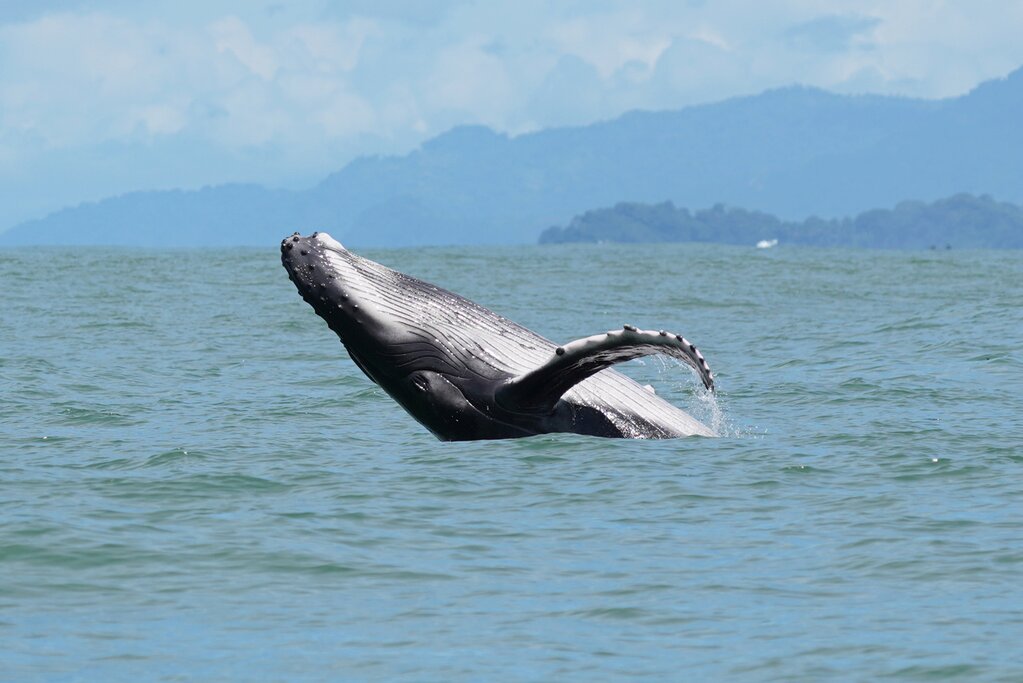
The central Pacific region's Playa Hermosa (15 minutes south of Jacó) offers consistent close-to-the-shore surf breaks, while the rainier southern Pacific coast's Osa Peninsula is most popular with expert surfers, though novices can play too. Sign up for a surf lesson from secluded Cabo Matapalo, south of Puerto Jiménez. And while here, August is the best month to observe southern humpback whales breed and feed in Drake Bay and along the coast. You'll not only spot whales but dolphins, too.
Caribbean Coast
The Caribbean coastal region has big waves and beaches and is home to remote Tortuguero National Park, located on the northern corner of the coast. Only accessible by boat and plane, August is the height of the desove (egg-laying) season, when female hawksbill, loggerhead, and green sea turtles crawl ashore to lay their eggs after the sun goes down. Travel farther down the coast, and you'll find some great surfing off the beaches around the village of Puerto Viejo.
Central Valley
San José, Costa Rica's capital, resides in the Central Valley and offers history, art, and culture, while the region itself is one of the country's major coffee-producing areas (fans of coffee and sloths will welcome this experience to the Toucan Rescue Center). Whitewater rafting is also at its best during the rainy season, when water levels are high, and August may be the last month you can book without cancellations. There are a number of rivers throughout the country you can choose from, though the Río Pacuare is regarded as one of the best rafting rivers in the world. On an organized outing, you can ride its Class II-IV rapids from Turrialba.
If you come to Costa Rica at the beginning of August and plan to spend more than a day or two in and around the capital, consider visiting the nearby city of Cartago. La Virgin de Los Angeles (Costa Rica's third-biggest religious festival after Christmas and Easter) takes place on August 2 and is quite a sight to see. Each year, the spiritual pilgrimage (known as the romería) sees some two million locals travel on foot to the city of Cartago. From San José, it's a 13-mile (21 km) walk that can take a couple of days or longer.
Elsewhere
While everywhere is open to most outdoor activities, if you venture into the Northern Zone, you can expect to get rained on no matter what. If you're okay with getting wet, join a guided hike that skirts Arenal Volcano, followed by a relaxing soak in nearby Tabacón Hot Springs (some say hot springs are best enjoyed in the rain!). There are also the Class II-III rapids of the Río Balsa you can navigate on a guided experience from La Fortuna. Monteverde continues to have a number of sunny mornings, ideal for enjoying a morning hike through its most famous cloud forest.
Events in August
La Virgen de Los Ángeles, Cartago (August 2). Every year, scores of people make a pilgrimage to the Basilica in Cartago to pay their respects to La Negrita, Costa Rica's patron saint and avatar of the Virgin Mary. Due to the high number of pilgrims, there can be significant traffic delays around Cartago.
Día de la Madre, Nationwide (August 15). A national bank holiday marked by street fairs, music, dancing, and traditional foods, Mother's Day sees banks, schools, and businesses close.
Día de los Parques Nacionales, Nationwide (August 24). A public holiday that celebrates Costa Rica's national parks. Special events take place.
Traveling Tips
- Bring appropriate rainproof gear and layered fast-drying clothes. Mosquito repellent is a must, as is sunscreen if visiting the sunnier North Pacific coast.
- Pack earplugs if you're a light sleeper; overnight downpours can be loud.
- Schedule outdoor activities in the morning before the afternoon and/or overnight rains.
- If renting a vehicle, it's always best to go with 4WD, don't drive long distances in the afternoon or after dark, and stick to the drier north Pacific coast region. Though in lieu of driving long distances, it's safest to fly domestically.
Traveling to Costa Rica in August? Check out these great itineraries
Culture & Wildlife in Tortuguero National Park - 4 Days. Spot vibrant wildlife and learn about Costa Rican culture, starting with a day of sightseeing in San José. Then move on to Tortuguero National Park to learn about Indigenous traditions on a village visit. Enjoy a motorboat excursion along the park's jungle waterways, looking for toucans, sloths, monkeys, and nesting turtles. Then, tour a coffee farm, sampling locally produced coffee and finding out more about the country's coffee-growing history.
Costa Rica Adventure: Whitewater Rafting & Surfing - 5 Days. Take advantage of the higher, more exciting water levels and raft down miles of tropical scenery on the Río Pacuare. Then, on the Caribbean coast, you'll spend time in Puerto Viejo, one of the country's top surf spots, riding the waves and experiencing the local culture. This short itinerary is packed with thrilling aquatic experiences where a little rain won't matter.
More Helpful Information
Costa Rica in July
Costa Rica in September
Best Time of Year to Visit Costa Rica
How Many Days to Spend in Costa Rica