
Whitewater Rafting in Costa Rica
Costa Rica is blessed with an abundance of rivers: some 14 major systems form in the mountains, with most of them draining into the Pacific or Caribbean Sea. Some produce epic conditions for rafting and kayaking, making Costa Rica among the top whitewater destinations in the world.
Even those who've never rafted before will be spoiled for options—there are ideal spots for all skill levels. As a rule, the higher up in elevation you go, the wilder the rivers become and, therefore, the more difficult the class. Rivers at lower elevations are typically easier. Moreover, the lower-altitude rivers are often lined with lush vegetation and rainforest, making for great wildlife spotting.
This list compiles the best rivers for rafting in the country, organized according to class and skill level (commercial rafting in Costa Rica only goes up to Class IV). Tours and excursions are widely available and typically include a guide, transport, and meals. One final thing: the best time of year to embark on your rafting adventure is during the rainy season (May to November), when the rivers are at their highest levels. (Here's more on the benefits of visiting in the rainy season.)
And if adventure on the water really is your thing, check out this compendium of the best aquatic activities in the country.
Río Peñas Blancas (Class I)
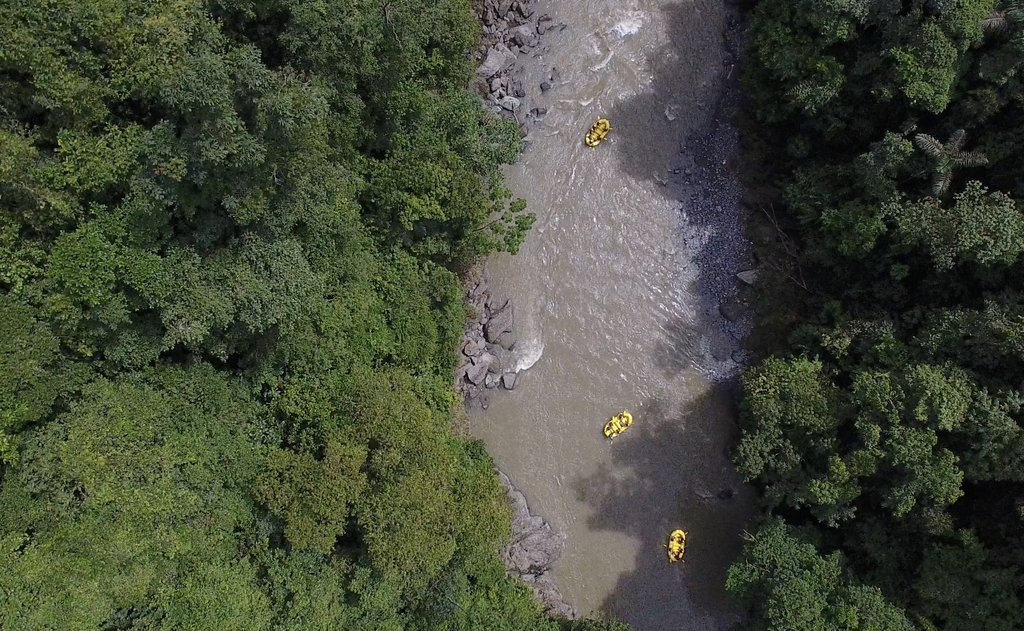
Starting things off on the easy end, Peñas Blancas is a rafting trip ideal for the whole family. Take a safari float that doesn't exceed Class I rapids (denoted as a slow-moving current), perfect for families with kids of all ages and anyone else looking for a chill ride. As you leisurely move down the waterway, you'll be treated to an abundance of bird species like herons and spectacled owls. Common animals include monkeys, caimans, sloths, and long-nosed bats.
If you're looking for a Costa Rica itinerary with even more kid-friendly activities, take a look at this two-week journey created specifically with families in mind. And travelers prioritizing wildlife spotting should read more about where to see Costa Rican fauna in this guide.
Río Balsa (Class II/III)

The Río Balsa is another great option for families, although at 10 years old, the minimum recommended age of rafters is a little older than the Savegre. Still, the light rapids have just enough attitude to make things interesting. Rafters can expect to see jungle scenery on the (typically) four-hour trip, which involves local wildlife spotting (monkeys and sloths are not uncommon here).
One other factor that makes the Río Balsa a compelling destination is that it's located near La Fortuna, which sits at the base of the Arenal Volcano. Check out our Ultimate Guide to Arenal—and if you're interested in an Arenal-focused adventure, consider this 4-day itinerary that will have you horseback riding, ziplining, and lounging in nearby hot springs.
Chat with a local specialist who can help organize your trip.
Río Reventazón (Class II/III/IV)
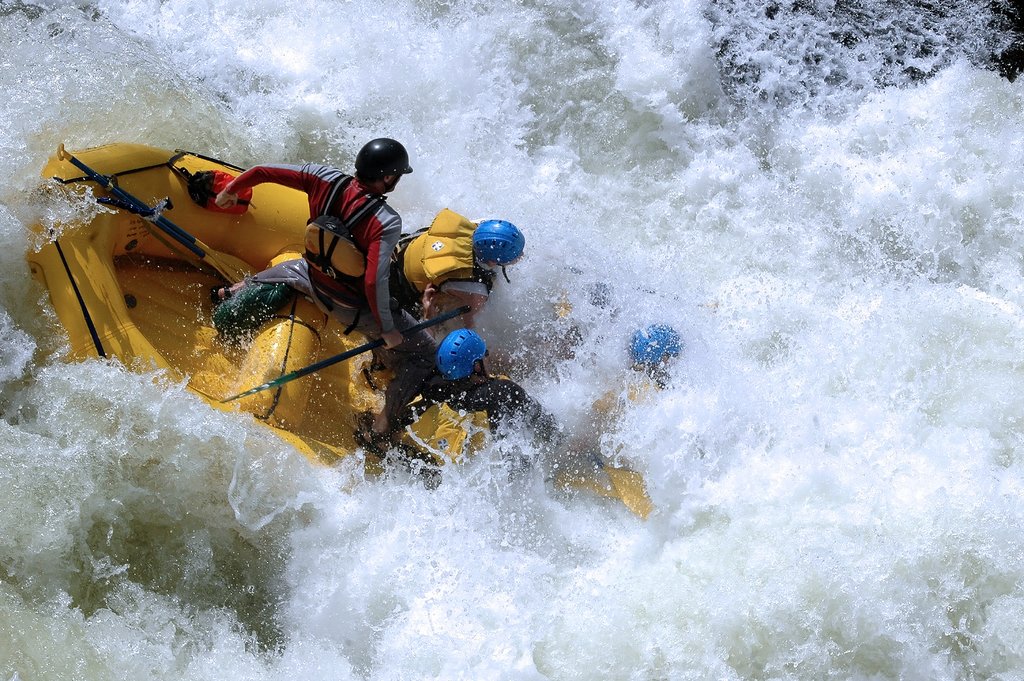
First-timers who want a bold introduction to the world of whitewater rafting might be tempted to try out the Río Reventazón. The river runs along the northeastern slope of the country and empties into the Caribbean. Therefore, it's easily accessible from San José, the capital. It's also one of the few rivers that can be enjoyed year-round, in both the wet and dry seasons, with little fluctuation in quality. Those who do give it a shot will be treated to some major adrenaline rushes, especially in the El Carmen section, whose Class IV rapids are ranked as "moderately difficult."
Río Sarapiquí (Class III/IV)

North of the capital of San José, in the central highlands, you'll find some exciting rafting along the Río Sarapiquí. This is a solid option for those looking for a multiday rafting adventure rather than an afternoon excursion. The river also runs between two national parks—Parque Nacional Juan Castro Blanco and Parque Nacional Braulio Carrillo—so you're bound to witness some stunning flora and fauna.
A hot tip is to come in June and October, when the water is high, and the rapids are at their best. Another is to book a trip specifically on the San Miguel section of the river, located in the Arajuela province, where there are more continuous rapids and cool scenery, such as jungle and waterfalls.
Río Toro (Class III/IV)

The Río Toro ("bull river") is a great option for adrenaline lovers as it offers a series of about 45 continuous Class III/IV rapids. The trip covers 10 miles (16 km) and often takes 2.5 hours. On the ride, you'll be treated to some rugged tropical wilderness that includes waterfalls and river canyons as well as an abundance of birds (look out for toucans).
No experience is required, but it's not recommended for children under 13. This is yet another river whose jumping-off point is La Fortuna, making it another option for those planning an Arenal adventure.
Río Pacuare (Class III/IV)

Remember when we mentioned that this list includes some of the most popular rafting destinations in the world? The Río Pacuare meets that criterion. Backing us up on this point is National Geographic, which ranked it in its list of the 10 best river trips in the world.
The Pacuare runs 67 miles (108 km) from the Talamanca mountains, in the southwest of the country, to the Caribbean. Along the way, it passes through some of Costa Rica's most diverse topography. Not only are those who embark down this river treated to Class III/IV rapids, but there are also many calmer sections along beautiful lowland rainforest. Here, it's not uncommon for rafters to spot several species of tropical birds, as well as monkeys, ocelots, and (much less frequently) Jaguars. Previous experience isn't required to raft the Pacuare.
Ready to start planning your trip? This 5-day adventure combines a rafting trip on the Pacuare with surfing on the Caribbean coast.