Seasonal Planning for Travel to the Peloponnese
The Peloponnese region rarely gets cold. Warm-weather clothing is a must during the summer, while rain gear will come in handy later in the year. Even in the hot months, though, packing layers makes sense; long pants (or skirts for women) can be useful to have at monasteries and other religious sites.
There's plenty to do outdoors here, from kayaking and hiking to visiting sprawling archaeological complexes, so pack accordingly. Good shoes and comfortable clothes will help you get the most out of your trip. There are also a few lovely white-sand beaches along the coastline—those looking for a low-key swim will find some off-the-beaten-path gems to suit their fancy.
For more information, check out Top Highlights of the Peloponnese Region and How Many Days to Spend in the Peloponnese, and see this article on the best time to visit Greece generally.
|
Season |
Pros | Cons | Best for | Where to Visit |
| Spring (Mar-May) | Comfortable temperatures, blooming flowers; celebrate Easter and Greek Independence Day | Some attractions are closed during the holidays (although free entry is offered on certain dates) | Experiencing Greek Easter customs, enjoying some outdoor sports | Kardamyli for hiking and kayaking, Leonidio to see traditional Easter lanterns |
| Summer (Jun-Aug) | Long daylight hours, little chance of rain; extended opening times at archaeological sites | Popular attractions are busier; the weather can be hot in the middle of the day | Sightseeing road trips, relaxing in town centers, visiting beaches | Simos Beach for sunbathing, Nafplio to enjoy the ambience |
| Fall (Sep-Nov) | Cooler temperatures, lower prices, and fewer crowds than in summer | The weather can sometimes be chilly or rainy | Trying fresh vegetables at harvest time, seeing the most popular archaeological sites without the crowds | Olympia, Corinth, and Mycenae to discover ancient history, Kalamata for the olive harvest |
| Winter (Dec-Feb) | Offseason deals and discounts; Christmas celebrations; fewer crowds | Attractions have shorter opening hours; the weather can be rainy | Enjoying Christmas treats, eating fresh lemons and oranges during the winter harvest | Nafplio for citrus fruits and Christmas traditions |
Spring in the Peloponnese (March to May)

Spring temperatures in the Peloponnese can vary widely, but usually hover in the 60s and 70s Fahrenheit. Most attractions will have started their extended hours by April 1, making late spring a convenient time to visit. The mild weather is ideal for outdoor activities—itineraries might include whitewater rafting, trekking, and more.
A visit to Greece in the springtime also offers the chance to experience local Easter traditions. Orthodox Easter falls on different dates from Western Christian Easter, so check in advance to confirm exact timings.
The towns of the Peloponnese are great places to celebrate the holiday. In Nafplio, you can expect processions and Easter egg hunts, while in Kalamata, the traditional Saitopolemos (fireworks competition) lights up the city. Visitors to Leonidio, in the southeastern Peloponnese, will see Easter lanterns released into the sky. Special Easter treats, like lazarakia (spiced buns), can be found throughout the region.
Events in Spring
Independence Day, Nationwide (March 25). The declaration of the Greek War of Independence is celebrated with parades throughout the country.
International Workers Day, Nationwide (May 1). Originally known as May Day, the "workers' holiday" is an important part of the Greek calendar, and many businesses will close in observance. Athens hosts a huge rally, and some cities host flower festivals. In Greece, it's also often a day when many workers may go on strike, and many museums are closed.
Paleologia Festival, Mystras (May 29). The Paleologia Festival takes over Mystras. The festival honors the last Byzantine emperor, Constantine Paleologus; events include music, archery, and a memorial ceremony.
Learn More
Greece in March
Greece in April
Greece in May
Chat with a local specialist who can help organize your trip.
Summer in the Peloponnese (June to August)
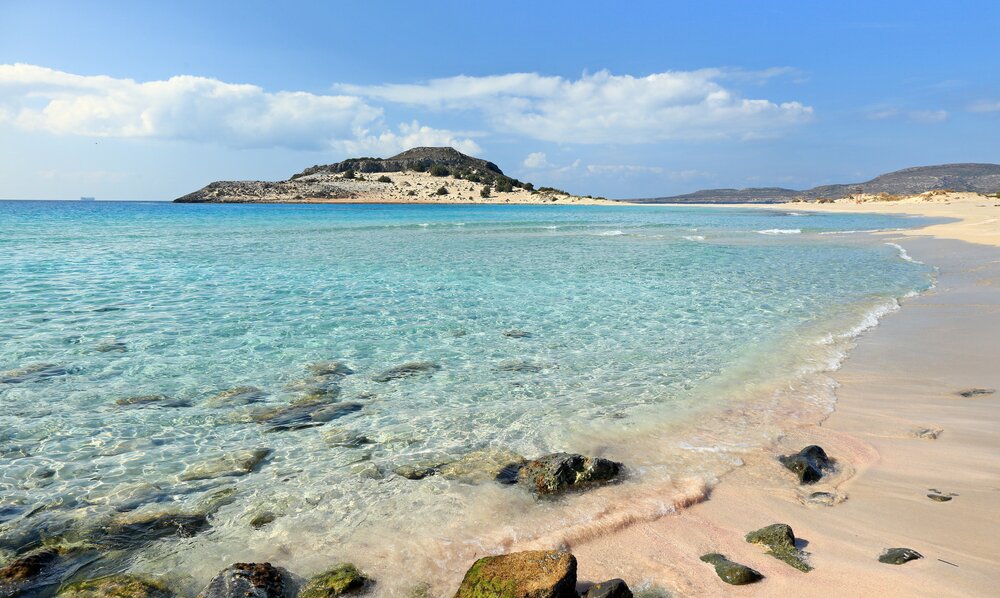
Average summer temperatures in the Peloponnese hover in the 70s and 80s Fahrenheit, with little rainfall. This makes summer a good time for visiting beaches around the peninsula.
The beaches of the Peloponnese aren't as famous as those of the popular Greek islands, giving them a quieter, more local feel. Simos Beach, with its white sand and blue sea, is a particularly beautiful spot. While technically located on the island of Elafonisos, frequent ferries run from the mainland town of Vigklafia (the journey takes just 10 minutes).
Summer is also a good time for sightseeing. Museums and archaeological sites have extended hours during the summer months, so you'll be able to enjoy a full day of exploration. Corinth, Mycenae, and Olympia are the most popular sites in the Peloponnese—these will also be more crowded at this time of year.
Events in Summer
Nafplio Festival (June to July): Classical music fans can enjoy performances at a number of venues around Nafplio during this festival.
Kalamata International Dance Festival (July): In Kalamata, the International Dance Festival offers an opportunity to see contemporary dance performances by international artists, as well as workshops and film screenings.
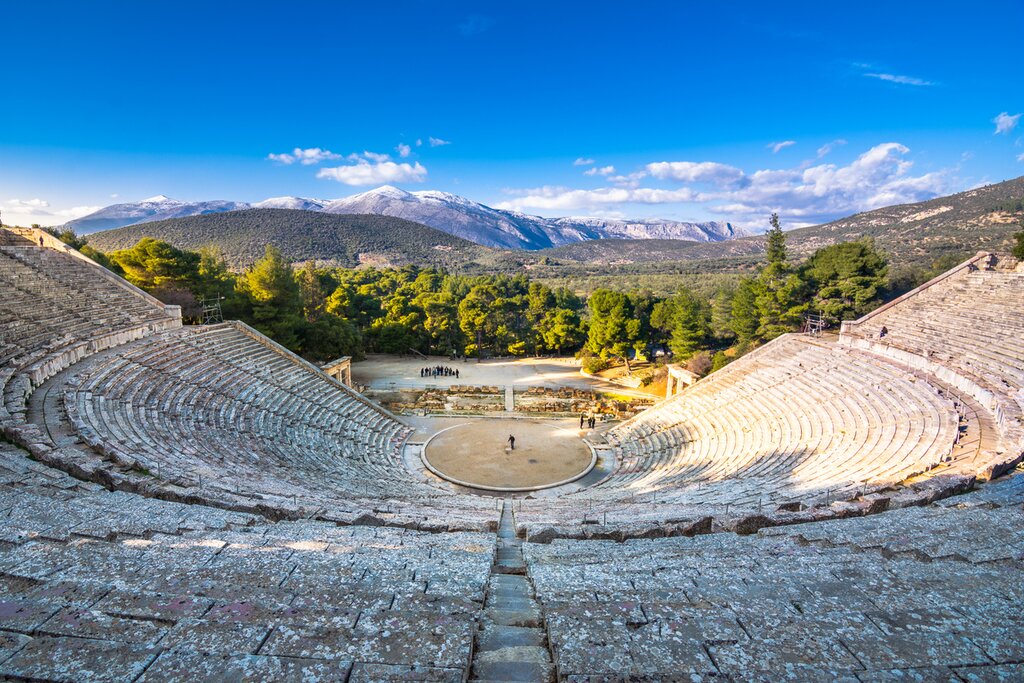
Athens & Epidauros Open-Air Festival, Athens (June-August). A huge event, and heaps of fun, with theater, music, and dance performed beneath the Acropolis and al fresco at the ancient Theatre of Epidaurus. It begins in mid-June, lasts three months, and draws an A-list of international talent.
Learn More
Greece in June
Greece in July
Greece in August
Fall in the Peloponnese (September to November)
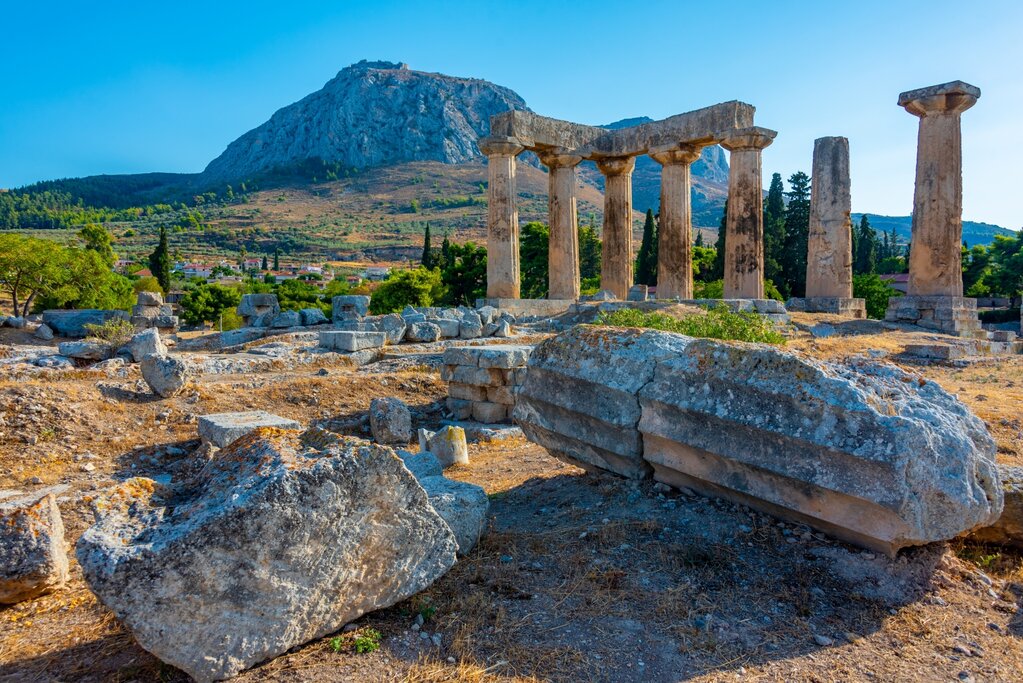
Fall is a good time to visit archaeological sites in the Peloponnese. The cooler weather is more pleasant for wandering around than the hot afternoons of summer. Most attractions have extended hours through November 1, allowing visitors to enjoy long, active days at the beginning of the season.
Greece's archaeological sites are known worldwide, and some of the most famous ones are in the Peloponnese. You'll be able to follow the journey of Paul the Apostle in ancient Corinth, explore the site of the original Olympic Games at Olympia, and get to know one of Greece's most important ancient civilizations at Mycenae (see this seven-day itinerary for all three of these sites).
The autumn months are also a great time for foodies to experience the olive harvest. Olives are produced throughout the peninsula, including around the famous Kalamata and Nafplio. This tour will allow you to taste your way through the region.
Events in Fall
World Tourism Day (September 27). Celebrated around the world on September 27, World Tourism Day in Greece is marked with special events and free admission to some museums. Check in advance to see what's on during your visit.
Spartathlon (September). Follow in the footsteps of Pheidippides, the legendary first marathoner, with this run from Athens to Sparti (Sparta).
Ohi Day, Nationwide (October 28). Marked by military parades, church services, folkloric displays, and national pride, this World War II "Day of No" anniversary is a powerful window into Greek resilience and culture (celebrating the nation's refusal to surrender to Mussolini's forces).
Learn More
Greece in September
Greece in October
Greece in November
Winter in the Peloponnese (December to February)

Winter is the offseason throughout Greece. While the weather is sometimes rainy and chilly, sunny days aren't uncommon either. Typical highs in the Peloponnese are in the 50s Fahrenheit, with lows in the 40s. Temperatures rarely drop below freezing.
Although some attractions have shortened hours, visitors can expect reduced prices, especially on accommodation. The region's towns will be up and running throughout the year, though they're quieter in winter. This is a great time to experience the Peloponnese without the crowds.
Visitors to the Nafplio area can expect to see ripe oranges falling off trees around the town and the surrounding countryside. Winter is when citrus fruits are at their finest, so you can take the time to enjoy a bite. Other Greek winter delights include many types of Christmas cookies, baked goods, and kolokythopita (pumpkin or squash pie).
Events in Winter
Christmas (December). Nafplio and Monemvasia are both charming places to celebrate Christmas in the Peloponnese. Along with trees and lights, model boats are also a traditional Greek symbol of Christmas.
Epiphany, Nationwide (January 6). A major national and religious holiday (in the Greek Orthodox calendar), Theofania (Epiphany) celebrations take place throughout Greece each year. The local Orthodox priest leads a procession through town, visiting each house to offer a blessing, and typically ends at a body of water, into which the priest tosses a cross. Swimmers dive in, hoping to retrieve it for good luck. Piraeus, Athens' port, has the biggest such "Blessing of the Waters" celebration.
Patras Carnival (February). Greek Carnival, known as Apokries, is celebrated before Lent begins. It's marked by street parties featuring music, dance, and costumed performers. Patras' wild celebrations are particularly popular, so it's best to book in advance.